Библиотека AI-креатора
Ракурсы, движения камеры, переходы и стили — в готовых промптах с наглядными примерами. Бесплатно для всех креаторов.
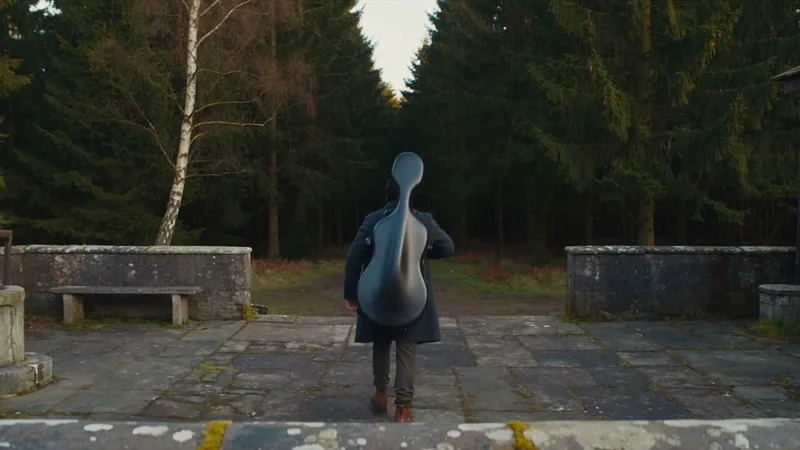
Crane up
Кран вверх
Camera: crane up. Movement: Move the entire camera smoothly upward through open space on a crane-style path in one continuous shot. Speed: Slow, controlled lift with a gentle finish. Framing: Maintain a fixed focal length and a level horizon; adjust the vertical viewing angle only as needed to keep the main subject readable as the camera changes height. Make the physical height change clearly visible through shifting foreground overlaps; use only a small compensating tilt to retain the visual anchor. End: Settle at the elevated viewpoint and briefly hold.
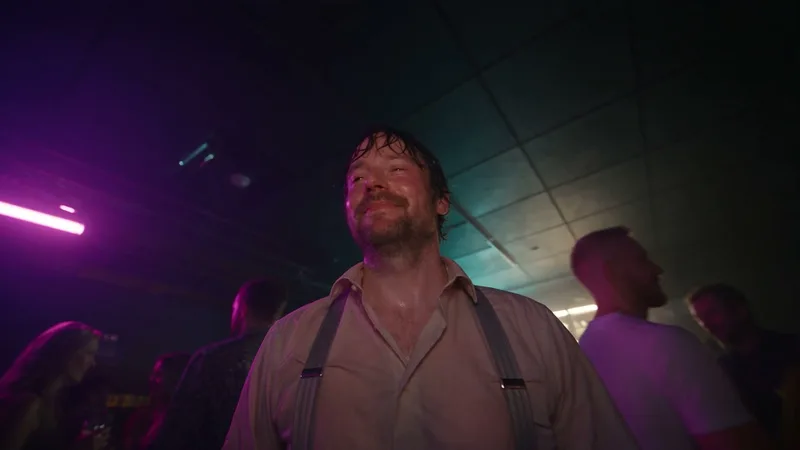
Body-mounted camera / Snorricam
Камера на теле
Camera: body-mounted camera / snorricam. Movement: Move with a camera rigidly attached relative to the main subject’s torso in one continuous shot. Speed: Follow the torso’s movement and rotation directly. Framing: Keep camera-to-torso distance, mounting angle and focal length fixed; the upper body stays anchored near the center while the surrounding scene shifts and tilts with body motion. Keep the torso-to-camera relationship rigid during turns; the background rotates with body orientation while the camera does not stabilize itself independently. End: Maintain the body-mounted relationship t
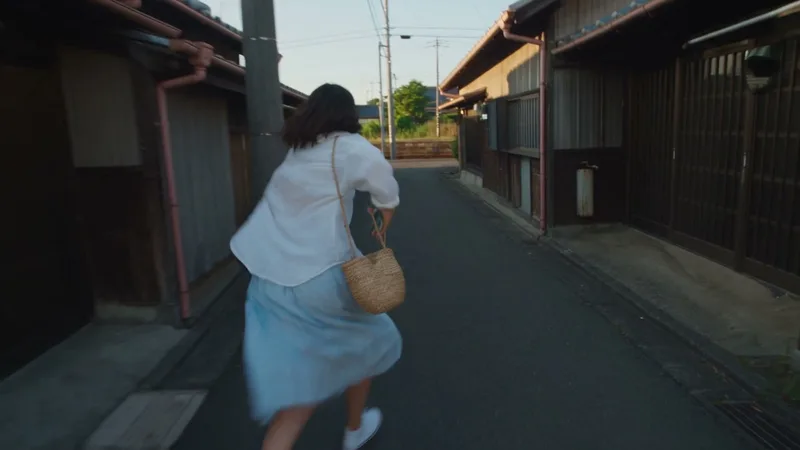
Handheld shot
Съёмка с рук
Camera: handheld shot. Movement: Hold the camera at operator height with small natural body-driven shifts in one continuous shot. Speed: Subtle, irregular sway and restrained micro-adjustments. Framing: Maintain a fixed focal length and a readable subject; keep small variations in camera angle and position organic rather than repetitive or violently shaky. Keep the sway small relative to the frame, mixing slight positional and angular corrections rather than applying a repeated mechanical shake. End: Retain the same restrained handheld character through the final frame.
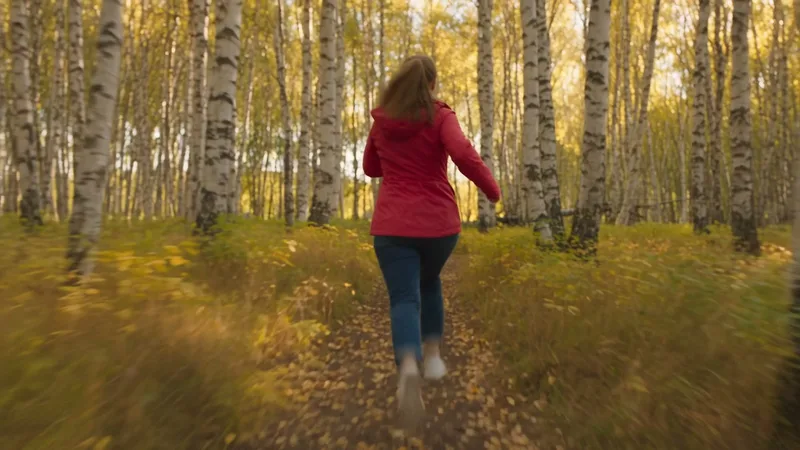
Chase shot
Камера в погоне
Camera: chase shot. Movement: Pursue the main moving subject closely from behind along its route in one continuous shot. Speed: Fast and responsive, with controlled changes in speed around turns. Framing: Keep the subject visible using small reactive framing corrections and natural operator movement; maintain a fixed focal length and remain connected to its path. Keep distance changes small enough to preserve visual contact, with brief corrective turns that follow the route rather than changing viewpoint abruptly. End: Stay behind the subject and continue the pursuit through the final frame.
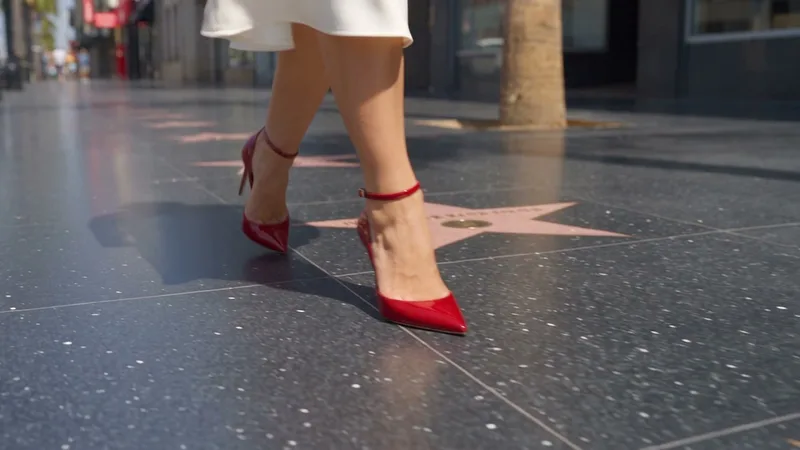
Low tracking
Низкое сопровождение
Camera: low tracking. Movement: Track alongside the main subject’s movement path with the camera close to ground level in one continuous shot. Speed: Match the subject’s pace smoothly. Framing: Keep the camera at the same low height with a fixed focal length; retain the low detail as the visual anchor while the ground moves past in clear perspective. Keep the low detail within the same framing band throughout; avoid rising into a full-body or eye-level view. End: Maintain the low viewpoint and matched motion through the final frame.
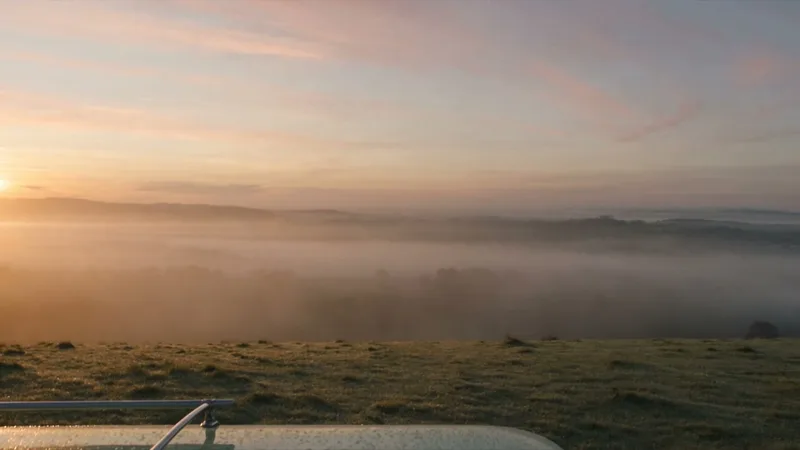
Pedestal down
Вертикальный сдвиг вниз
Camera: pedestal down. Movement: Translate the entire camera straight downward in one continuous shot. Speed: Slow, steady vertical travel. Framing: Keep the optical axis horizontal, with fixed viewing direction and focal length; the change in framing comes from camera elevation rather than tilt. Maintain a horizontal optical axis throughout; changing visibility of upper and lower surfaces must come from the camera’s vertical translation. End: Stop at the new height and hold the lower viewpoint.
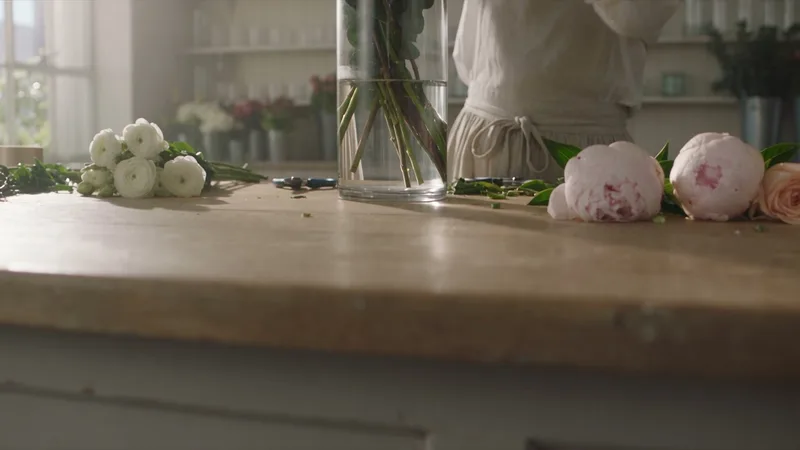
Pedestal up
Вертикальный сдвиг вверх
Camera: pedestal up. Movement: Translate the entire camera straight upward in one continuous shot. Speed: Slow, steady vertical travel. Framing: Keep the optical axis horizontal, with fixed viewing direction and focal length; the change in framing comes from camera elevation rather than tilt. Maintain a horizontal optical axis throughout; changing visibility of upper and lower surfaces must come from the camera’s vertical translation. End: Stop at the new height and hold the higher viewpoint.
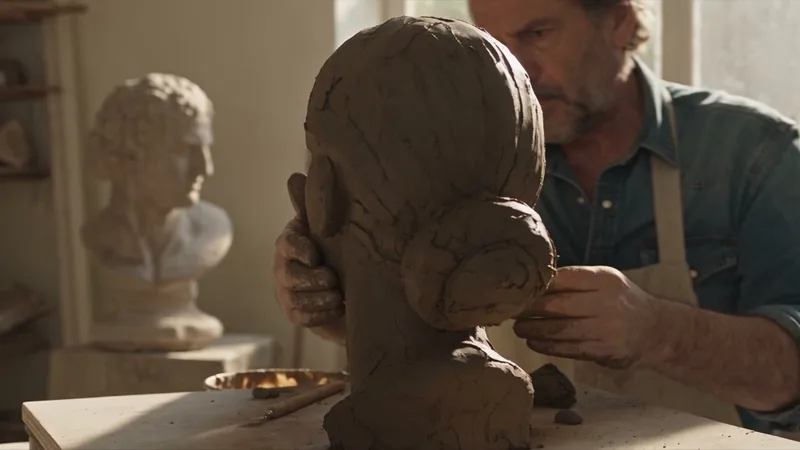
Arc left
Дуга влево
Camera: arc left. Movement: Move the camera along a short curved path toward the camera's left, around the main subject, in one continuous shot. Speed: Smooth, measured travel in one direction. Framing: Maintain camera height, focal length and distance to the subject; turn the camera to keep the subject at approximately the same screen position and size as its viewing angle changes. Limit the camera arc to roughly 30 degrees; let the changing camera position reveal a new side of the subject rather than simulating the move by rotating the subject. End: Ease to a stop at the new angle and briefl
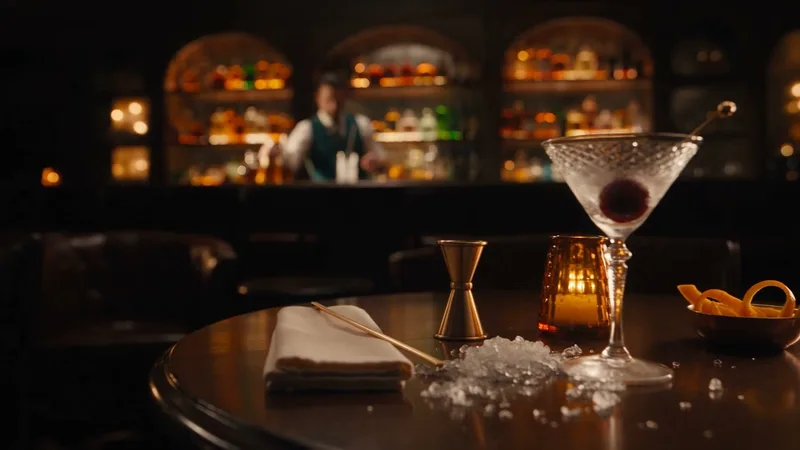
Slider left
Короткий слайд влево
Camera: slider left. Movement: Slide the camera a short distance to the left along a straight horizontal path in one continuous shot. Speed: Slow, precise travel with a gentle stop. Framing: Keep height, focal length and viewing direction fixed; foreground elements shift right more noticeably than the background. Limit the travel to a small lateral displacement; reveal a slight new overlap between existing depth layers rather than a large change of angle. End: Hold the subtly changed composition with the new depth relationships visible.
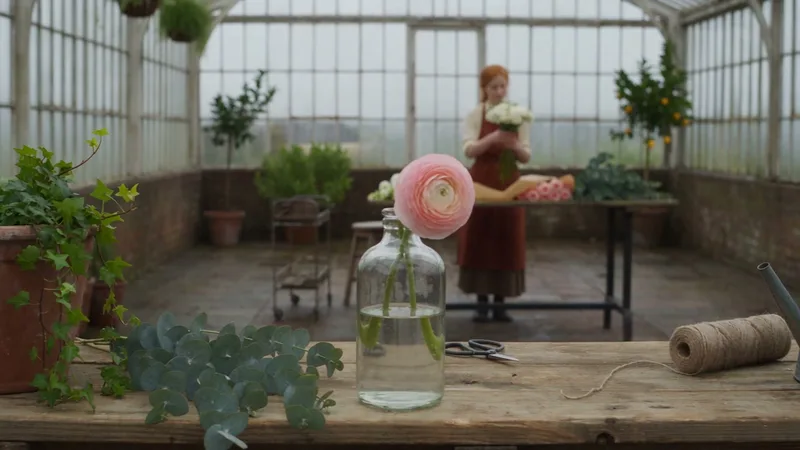
Slider right
Короткий слайд вправо
Camera: slider right. Movement: Slide the camera a short distance to the right along a straight horizontal path in one continuous shot. Speed: Slow, precise travel with a gentle stop. Framing: Keep height, focal length and viewing direction fixed; foreground elements shift left more noticeably than the background. Limit the travel to a small lateral displacement; reveal a slight new overlap between existing depth layers rather than a large change of angle. End: Hold the subtly changed composition with the new depth relationships visible.
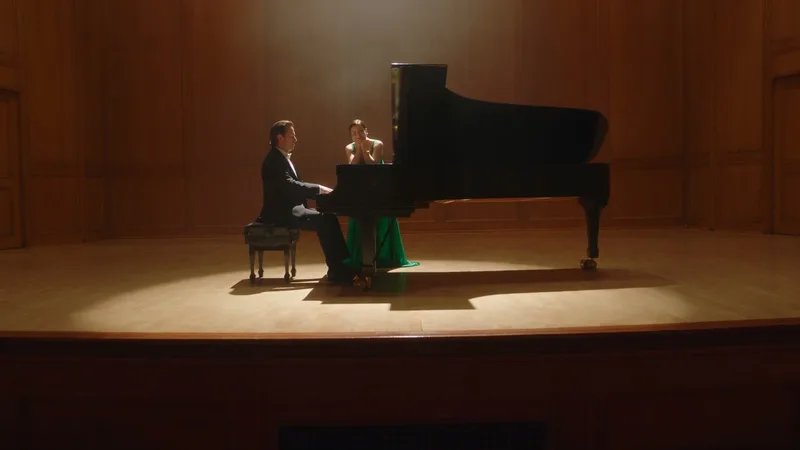
Dolly out
Отдаление камеры
Camera: dolly out. Movement: Move the camera physically backward away from the main subject along a straight path in one continuous shot. Speed: Smooth, controlled retreat with a gentle stop. Framing: Maintain camera height, viewing direction and focal length; the subject becomes smaller as camera distance changes, with natural depth and foreground parallax. Let nearby edges contract toward the viewing axis faster than distant details as camera-to-scene distance increases. End: Hold the wider composition from the new camera position.
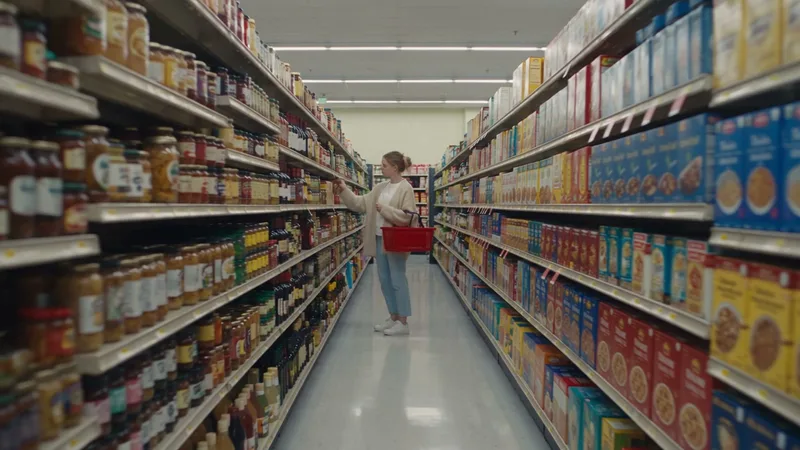
Dolly in
Приближение камеры
Camera: dolly in. Movement: Move the camera physically forward toward the main subject along a straight path in one continuous shot. Speed: Smooth, controlled approach with a gentle stop. Framing: Maintain camera height, viewing direction and focal length; the subject becomes larger as camera distance changes, with natural depth and foreground parallax. Let nearby edges expand outward faster than distant details, progressively uncovering previously occluded background as the camera advances. End: Hold the closer composition from the new camera position.
Не удалось загрузить.
Не удалось обновить.