Библиотека AI-креатора
Ракурсы, движения камеры, переходы и стили — в готовых промптах с наглядными примерами. Бесплатно для всех креаторов.
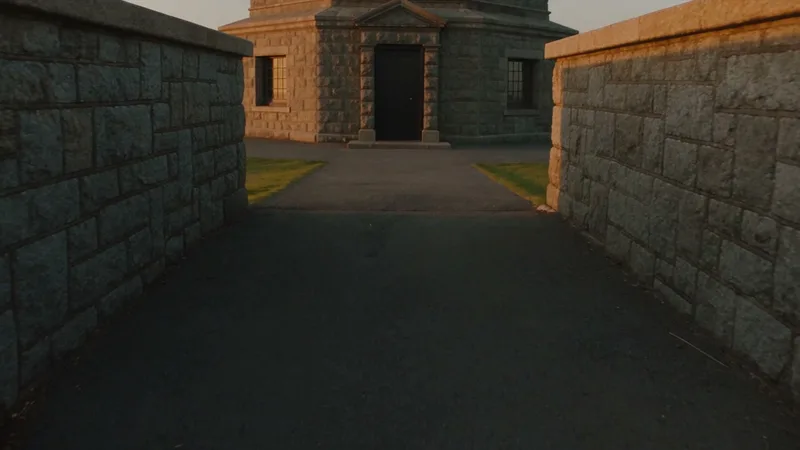
Push in with tilt
Приближение с наклоном вверх
Camera: push in with tilt. Movement: Move physically forward while tilting the camera upward in one continuous shot. Speed: Coordinate a slow forward glide with an even upward pivot. Framing: Keep focal length, camera height and roll fixed; reveal the upper part of the existing visual anchor as perspective changes with the forward travel. Make forward translation and upward rotation overlap in time; retain visible depth change so the result is not just a tilt from a fixed point. End: Stop the forward movement and tilt together, holding the upper framing.
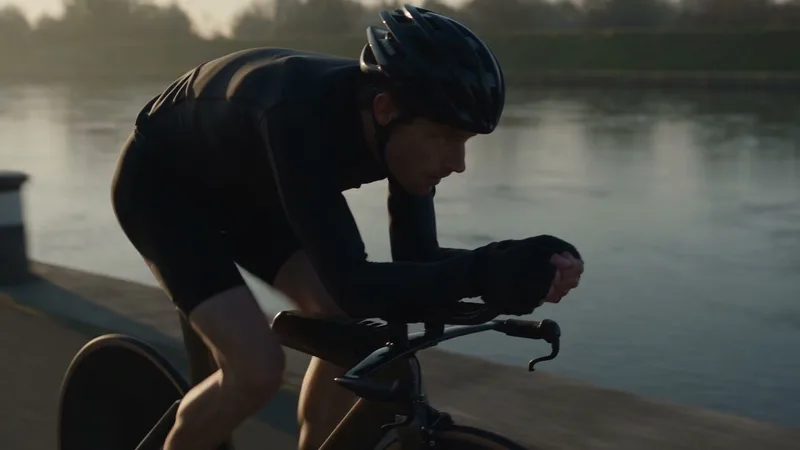
Overtaking camera
Обгон героя камерой
Camera: overtaking camera. Movement: Move alongside the main subject, then advance slightly ahead while turning smoothly back toward it in one continuous shot. Speed: Travel modestly faster than the subject, then match its pace. Framing: Maintain camera height and focal length; transition continuously from side framing to a front three-quarter view as the camera overtakes. Let the relative angle change because the camera moves ahead; keep the subject’s established route intact rather than turning the subject to face the camera. End: Continue ahead of the subject at matched speed with stable th
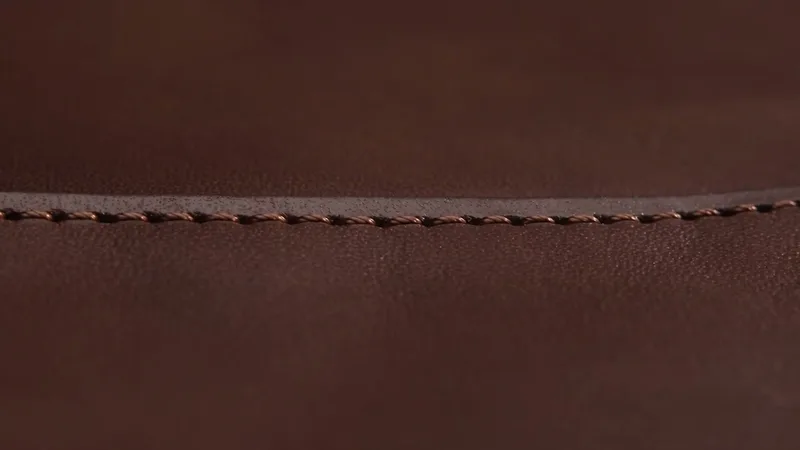
Macro slide
Макропроезд вдоль поверхности
Camera: macro slide. Movement: Slide the camera a short distance parallel to the existing surface at macro scale in one continuous shot. Speed: Very slow, precise lateral travel. Framing: Maintain a nearly constant working distance, camera angle, magnification and narrow focus depth; successive surface details pass through the same sharp region. Keep surface depth and texture coherent while nearby details shift across the frame; reveal adjacent surface rather than enlarging the same patch. End: Ease to a stop with the final surface detail in focus.

Rack focus far to near
Перевод фокуса на передний план
Camera: rack focus far to near. Movement: Keep camera position, orientation and focal length fixed while transferring focus between the existing depth planes in one continuous shot. Speed: One gradual, deliberate focus pull. Framing: Start with the far plane sharp and the near plane soft; shift sharpness to the near plane as the far plane becomes blurred, maintaining the same composition. Keep the two existing depth planes in place; change their relative sharpness without reframing or using a scale change to simulate the focus pull. End: Hold focus on the near plane.
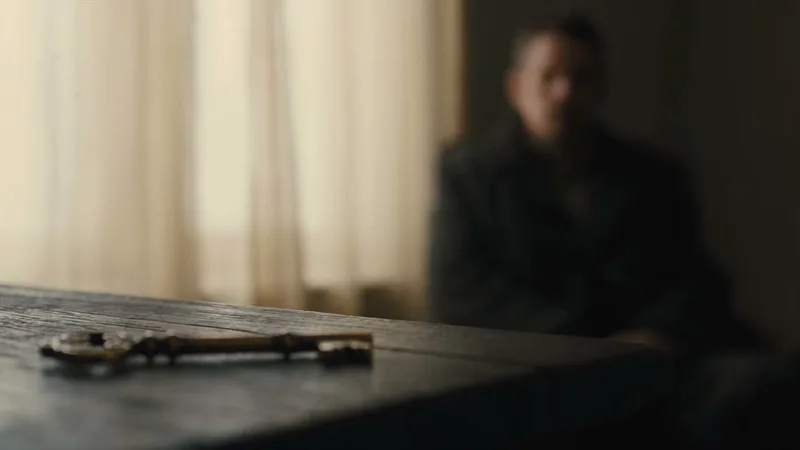
Rack focus near to far
Перевод фокуса вдаль
Camera: rack focus near to far. Movement: Keep camera position, orientation and focal length fixed while transferring focus between the existing depth planes in one continuous shot. Speed: One gradual, deliberate focus pull. Framing: Start with the near plane sharp and the far plane soft; shift sharpness to the far plane as the near plane becomes blurred, maintaining the same composition. Keep the two existing depth planes in place; change their relative sharpness without reframing or using a scale change to simulate the focus pull. End: Hold focus on the far plane.
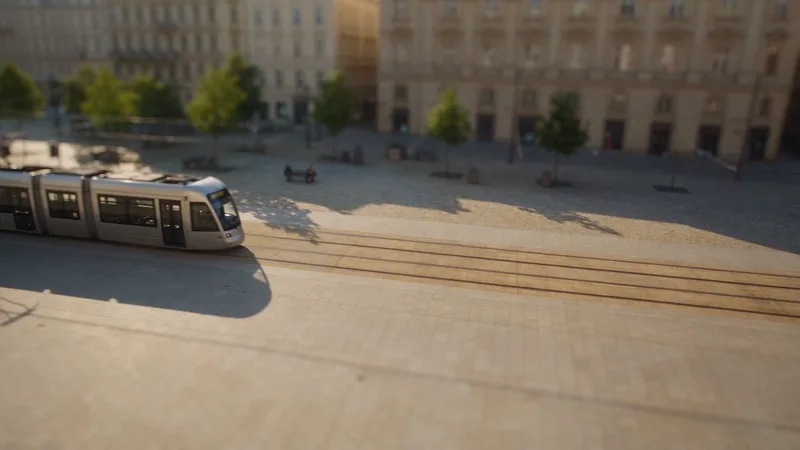
Tilt-shift
Эффект миниатюры
Camera: tilt-shift. Movement: Hold a fixed elevated, downward-looking viewpoint for one continuous shot. Speed: Static camera. Framing: Keep a narrow band of sharp focus across the main area, with progressively softer foreground and background; maintain fixed focal length, composition and focus-band position for a miniature-scale appearance. Keep the sharp band fixed within the image rather than sweeping focus through depth; preserve full-size scene geometry while blur creates the miniature impression. End: Preserve the same miniature effect through the final frame.
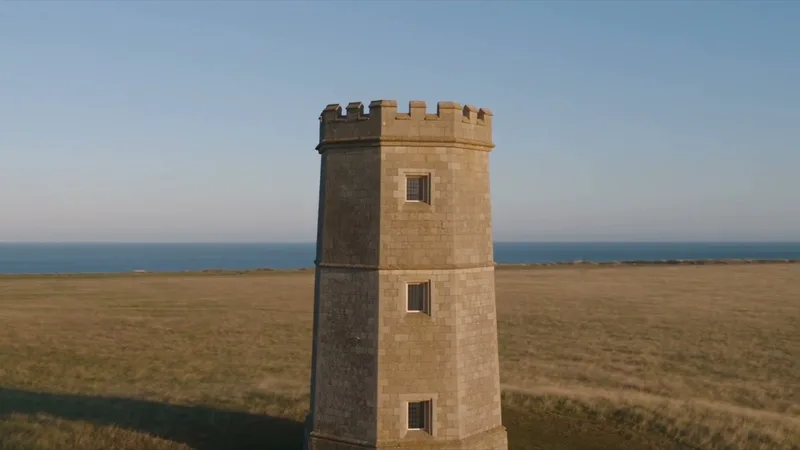
Spiral rise
Подъём по спирали
Camera: spiral rise. Movement: Circle clockwise, as viewed from above, along a short rising spiral around the main subject in one continuous shot. Speed: Coordinate the gradual climb and measured angular movement. Framing: Maintain a constant horizontal orbit radius and focal length; aim toward the subject with a level horizon as both elevation and viewing angle change. Limit the orbit to roughly a quarter-circle while gaining height continuously; keep the horizontal radius stable instead of winding inward toward the subject. End: Ease to a stop at the elevated angle and hold.
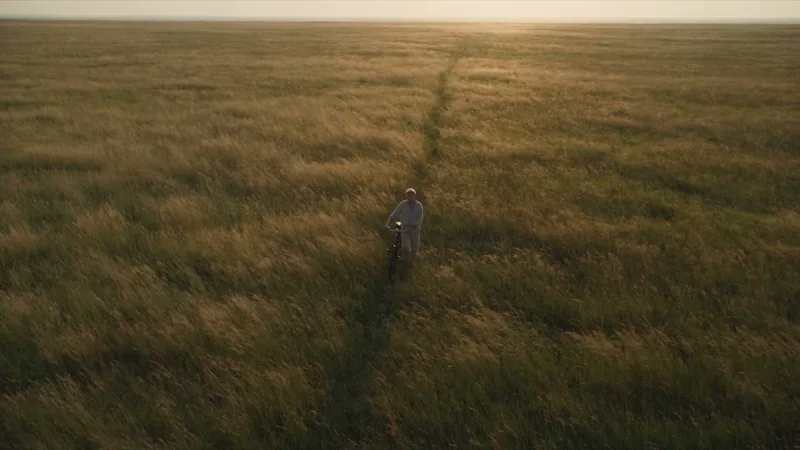
Gentle aerial descent
Спуск к герою с высоты
Camera: gentle aerial descent. Movement: Descend toward the main visual anchor along a gentle forward diagonal path in one continuous shot. Speed: Slow approach, decelerating near the destination. Framing: Maintain fixed focal length and a level horizon; adjust pitch smoothly to retain the anchor as the viewpoint becomes lower and closer. Keep the destination continuously visible as altitude decreases; show progressively more near-level foreground rather than using a zoom to mimic descent. End: Settle at the lower, closer viewpoint and briefly hold.
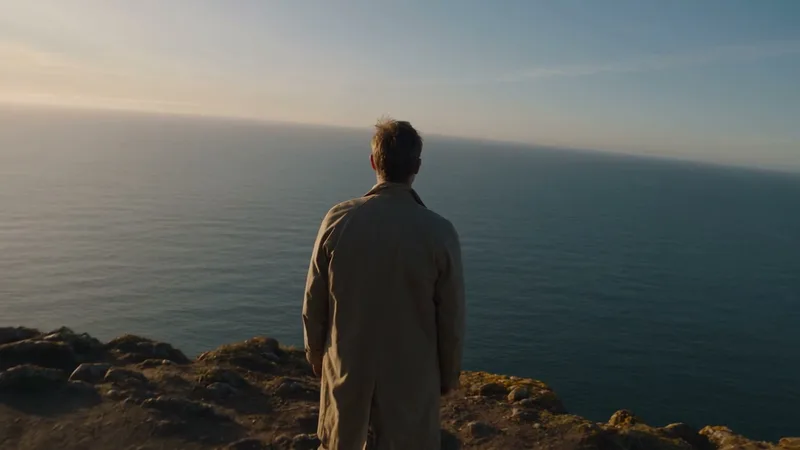
Aerial rise and retreat
Отлёт с набором высоты
Camera: aerial rise and retreat. Movement: Fly backward and upward along a smooth diagonal path in one continuous shot. Speed: Gradual, coordinated ascent and retreat. Framing: Maintain fixed focal length and a level horizon; adjust pitch smoothly to keep the main visual anchor readable as more landscape is revealed. Increase height and distance together throughout the same diagonal move, rather than performing an ascent followed by a separate backward shot. End: Settle on the higher and wider aerial composition.
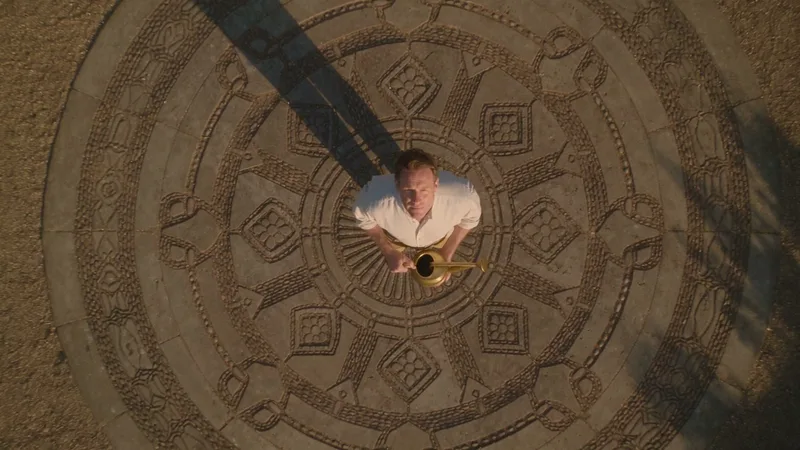
Top-down ascent
Подъём строго сверху
Camera: top-down ascent. Movement: Raise the camera vertically above the initial ground location in one continuous shot. Speed: Smooth, steady ascent. Framing: Keep focal length fixed and the optical axis pointing vertically downward at 90 degrees to the ground; maintain the same ground point at frame center as the field of view expands. Keep the ground’s orientation fixed as coverage expands; maintain a vertical ascent rather than spiraling or tilting toward the horizon. End: Ease to a stop on the higher, wider top-down view.
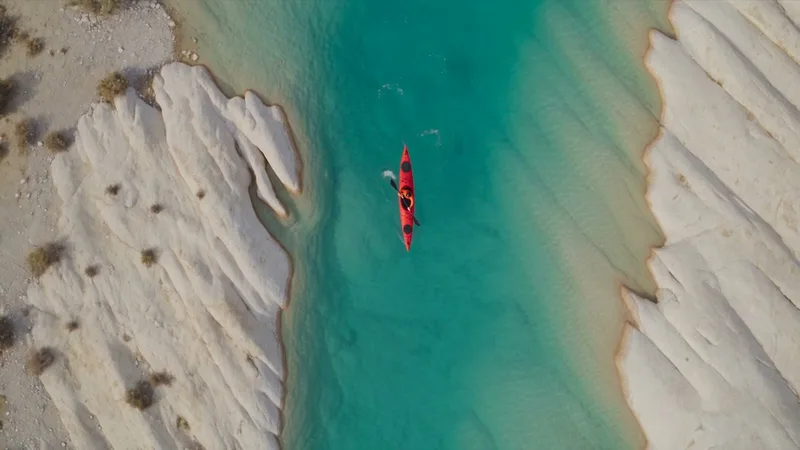
Top-down tracking
Сопровождение строго сверху
Camera: top-down tracking. Movement: Track the main moving subject from directly overhead in one continuous shot. Speed: Match its ground speed. Framing: Keep altitude and focal length constant, with the optical axis pointing vertically downward at 90 degrees to the ground; retain the subject’s screen position as the ground passes beneath. Keep the view plan-like with no visible horizon; follow by translating over the ground instead of tilting away from the vertical axis. End: Maintain the strict top-down tracking through the final frame.
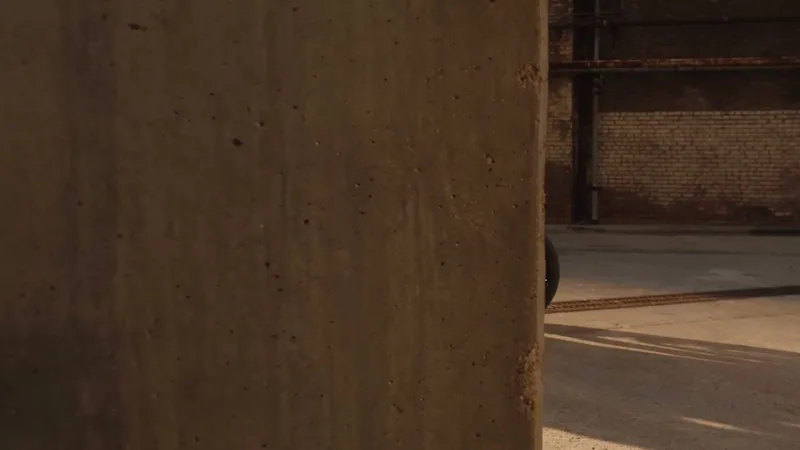
Foreground reveal
Раскрытие из-за препятствия
Camera: foreground reveal. Movement: Translate the camera sideways past an existing foreground occluder in one continuous shot. Speed: Slow, controlled lateral movement. Framing: Keep camera height, viewing direction and focal length fixed; the near edge shifts faster than the background, gradually uncovering the space it obscured. Complete the reveal with lateral parallax: the occluding edge moves out of the way because the viewpoint shifts, rather than the foreground object moving aside. End: Stop once the previously obscured main subject is clearly visible.
Не удалось загрузить.
Не удалось обновить.