Библиотека AI-креатора
Ракурсы, движения камеры, переходы и стили — в готовых промптах с наглядными примерами. Бесплатно для всех креаторов.
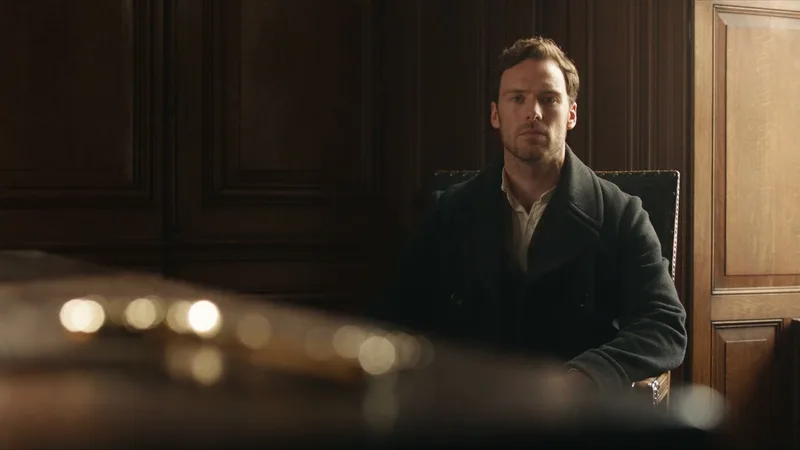
Rack focus far to near
Перевод фокуса на передний план
Camera: rack focus far to near. Movement: Keep camera position, orientation and focal length fixed while transferring focus between the existing depth planes in one continuous shot. Speed: One gradual, deliberate focus pull. Framing: Start with the far plane sharp and the near plane soft; shift sharpness to the near plane as the far plane becomes blurred, maintaining the same composition. Keep the two existing depth planes in place; change their relative sharpness without reframing or using a scale change to simulate the focus pull. End: Hold focus on the near plane.
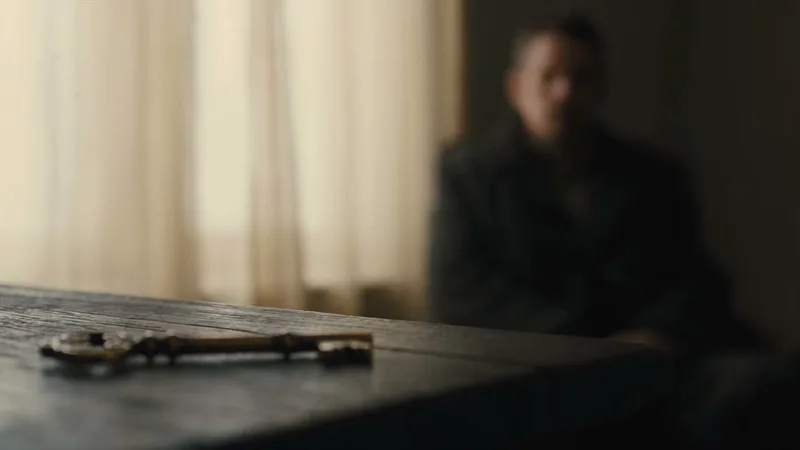
Rack focus near to far
Перевод фокуса вдаль
Camera: rack focus near to far. Movement: Keep camera position, orientation and focal length fixed while transferring focus between the existing depth planes in one continuous shot. Speed: One gradual, deliberate focus pull. Framing: Start with the near plane sharp and the far plane soft; shift sharpness to the far plane as the near plane becomes blurred, maintaining the same composition. Keep the two existing depth planes in place; change their relative sharpness without reframing or using a scale change to simulate the focus pull. End: Hold focus on the far plane.
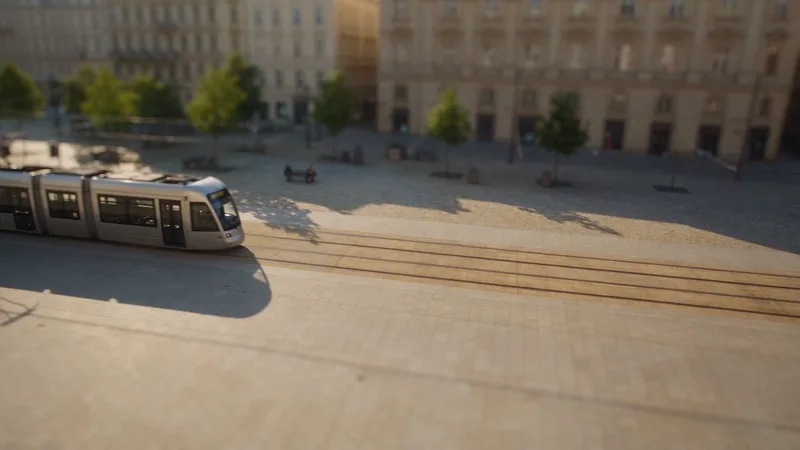
Tilt-shift
Эффект миниатюры
Camera: tilt-shift. Movement: Hold a fixed elevated, downward-looking viewpoint for one continuous shot. Speed: Static camera. Framing: Keep a narrow band of sharp focus across the main area, with progressively softer foreground and background; maintain fixed focal length, composition and focus-band position for a miniature-scale appearance. Keep the sharp band fixed within the image rather than sweeping focus through depth; preserve full-size scene geometry while blur creates the miniature impression. End: Preserve the same miniature effect through the final frame.
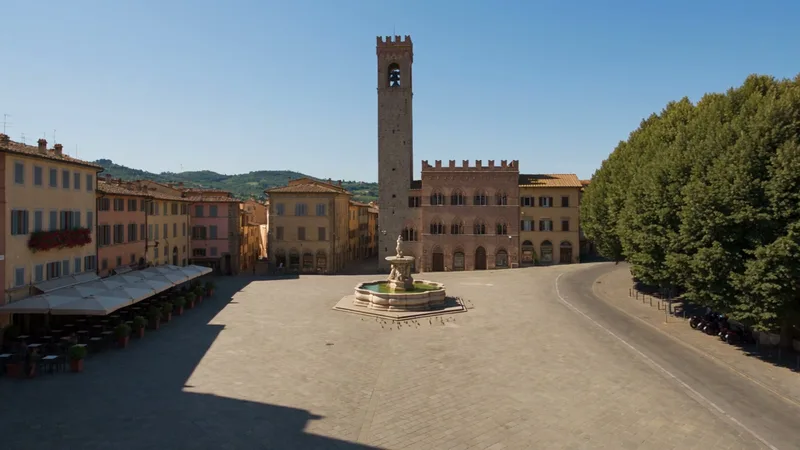
Time-lapse
Таймлапс
Camera: time-lapse. Movement: Lock the camera in one position while compressing the passage of time within a single continuous view. Speed: Rapid time progression with a completely stationary camera. Framing: Maintain fixed camera height, orientation, focal length and composition; stationary landmarks remain aligned while temporal changes accumulate within the frame. Keep static building edges and the horizon registered throughout; show elapsed time within the same location instead of blending between changing layouts. End: Finish from exactly the same camera viewpoint at a later moment.
Не удалось обновить.