Библиотека AI-креатора
Ракурсы, движения камеры, переходы и стили — в готовых промптах с наглядными примерами. Бесплатно для всех креаторов.
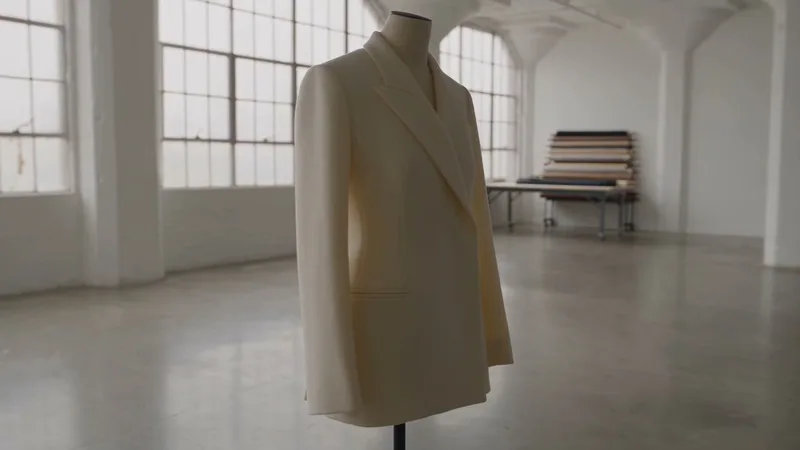
Orbit counterclockwise
Орбита против часовой стрелки
Camera: orbit counterclockwise. Movement: Circle counterclockwise, as viewed from above, around the main subject in one continuous shot. Speed: Steady angular travel in one direction. Framing: Maintain a constant horizontal radius, camera height and focal length; aim toward the subject to keep its framing stable as the background shifts with the changing viewpoint. Use a single quarter-circle orbit of roughly 90 degrees; the camera reveals successive sides rather than producing the effect by spinning the subject. End: Ease to a stop along the same orbit and hold the final angle.
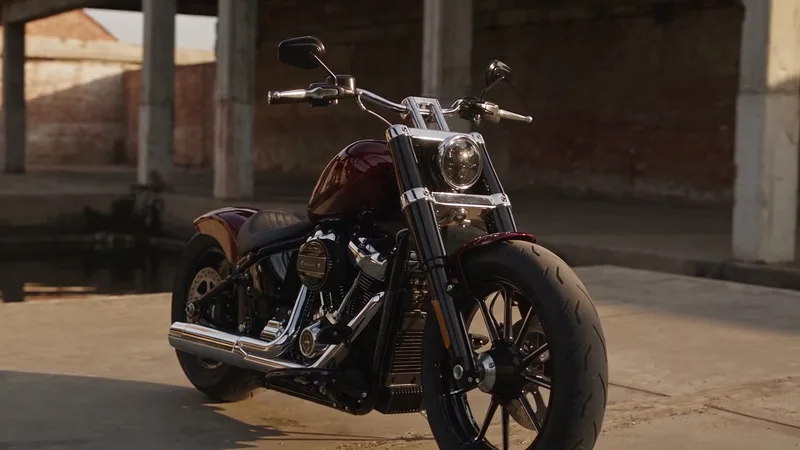
Orbit clockwise
Орбита по часовой стрелке
Camera: orbit clockwise. Movement: Circle clockwise, as viewed from above, around the main subject in one continuous shot. Speed: Steady angular travel in one direction. Framing: Maintain a constant horizontal radius, camera height and focal length; aim toward the subject to keep its framing stable as the background shifts with the changing viewpoint. Use a single quarter-circle orbit of roughly 90 degrees; the camera reveals successive sides rather than producing the effect by spinning the subject. End: Ease to a stop along the same orbit and hold the final angle.
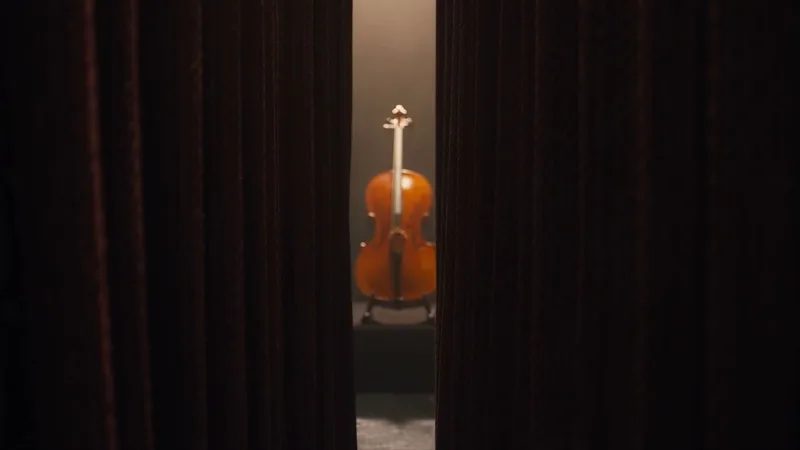
Push past / pass-by shot
Проезд мимо переднего плана
Camera: push past / pass-by shot. Movement: Move forward past an existing foreground edge or through a clear opening in one continuous shot. Speed: Smooth, controlled forward glide. Framing: Keep focal length and roll fixed; the near foreground moves quickly toward and beyond the frame edges while the space behind it is gradually revealed. Pass alongside solid foreground edges or between them; their progressive occlusion and exit from view establish the forward route. End: Finish beyond the foreground layer with an unobstructed view into the revealed space.
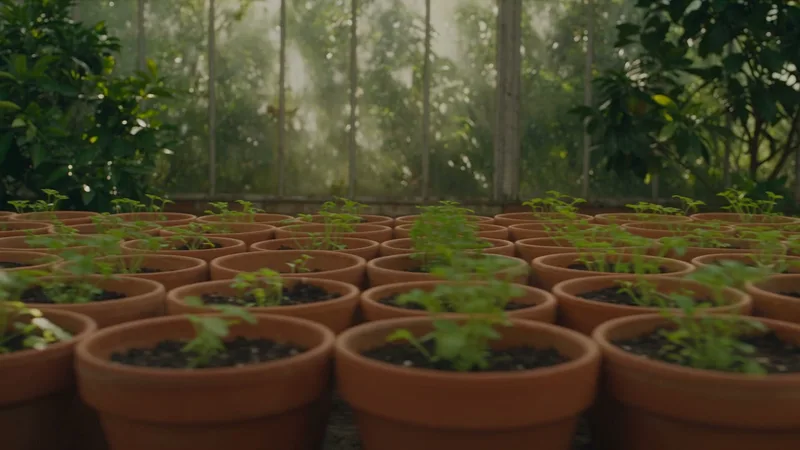
Truck left
Боковое перемещение влево
Camera: truck left. Movement: Translate the camera horizontally to the left along a straight path in one continuous shot. Speed: Smooth, steady lateral travel. Framing: Keep camera height, focal length and viewing direction fixed; nearby scenery shifts right faster than distant scenery, producing natural parallax. Keep the optical axis parallel to its initial direction; allow the subject to shift across the frame rather than panning to keep it centered. End: Ease to a stop at the new lateral position.
Arc right
Дуга вправо
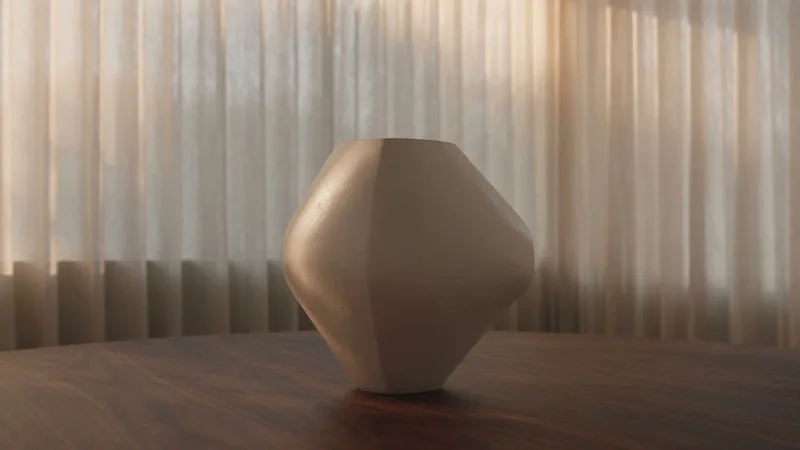
Camera: arc right. Movement: Move the camera along a short curved path toward the camera's right, around the main subject, in one continuous shot. Speed: Smooth, measured travel in one direction. Framing: Maintain camera height, focal length and distance to the subject; turn the camera to keep the subject at approximately the same screen position and size as its viewing angle changes. Limit the camera arc to roughly 30 degrees; let the changing camera position reveal a new side of the subject rather than simulating the move by rotating the subject. End: Ease to a stop at the new angle and brie
Truck right
Боковое перемещение вправо
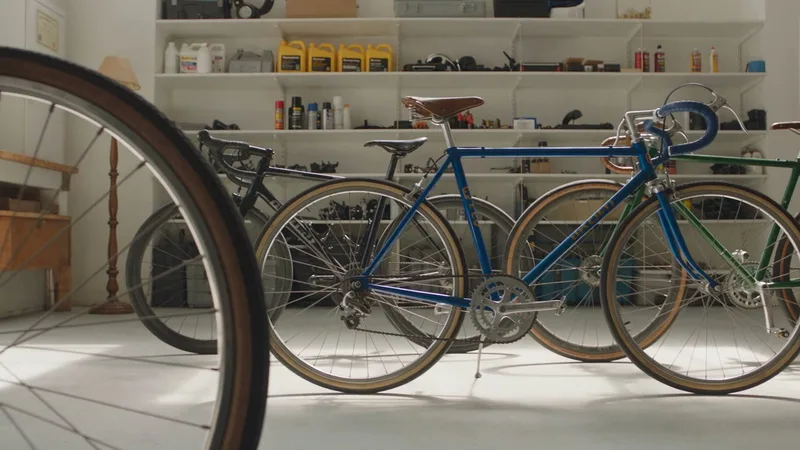
Camera: truck right. Movement: Translate the camera horizontally to the right along a straight path in one continuous shot. Speed: Smooth, steady lateral travel. Framing: Keep camera height, focal length and viewing direction fixed; nearby scenery shifts left faster than distant scenery, producing natural parallax. Keep the optical axis parallel to its initial direction; allow the subject to shift across the frame rather than panning to keep it centered. End: Ease to a stop at the new lateral position.
Fast zoom out
Быстрый зум: отъезд
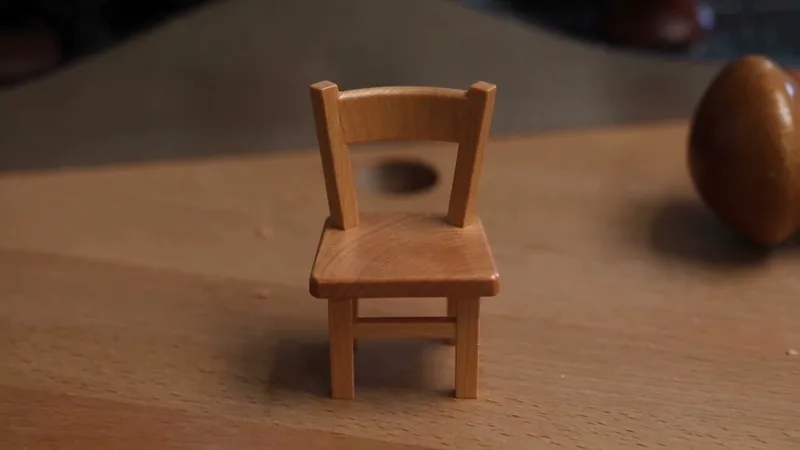
Camera: fast zoom out. Movement: Decrease the lens focal length from a fixed camera position and viewing direction in one continuous shot. Speed: A quick, clearly visible focal-length change followed by a steady hold. Framing: Keep the zoom centered on the same visual anchor as the field of view widens; retain the same viewpoint and perspective relationships, with no translation-induced parallax. Make a clearly visible but moderate reduction of the visual anchor; fixed scene elements retain their mutual occlusions because the viewpoint does not move. End: Hold the wider composition at the fina
Fast zoom in
Быстрый зум: наезд
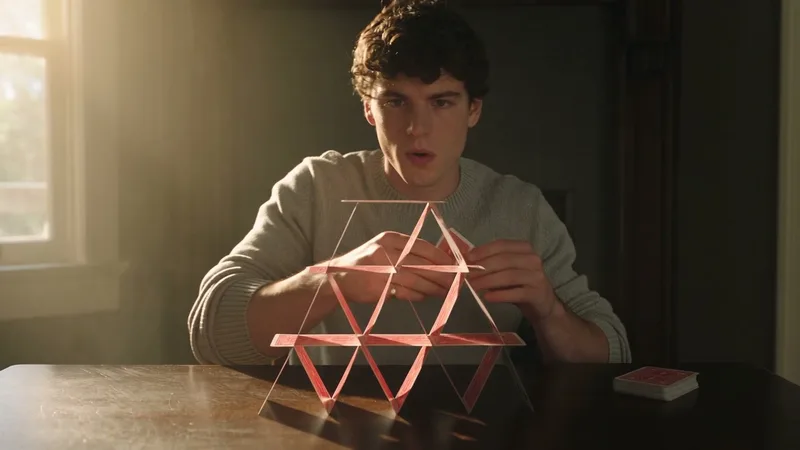
Camera: fast zoom in. Movement: Increase the lens focal length from a fixed camera position and viewing direction in one continuous shot. Speed: A quick, clearly visible focal-length change followed by a steady hold. Framing: Keep the zoom centered on the same visual anchor as the field of view narrows; retain the same viewpoint and perspective relationships, with no translation-induced parallax. Make a clearly visible but moderate enlargement of the visual anchor; fixed scene elements retain their mutual occlusions because the viewpoint does not move. End: Hold the tighter composition at the
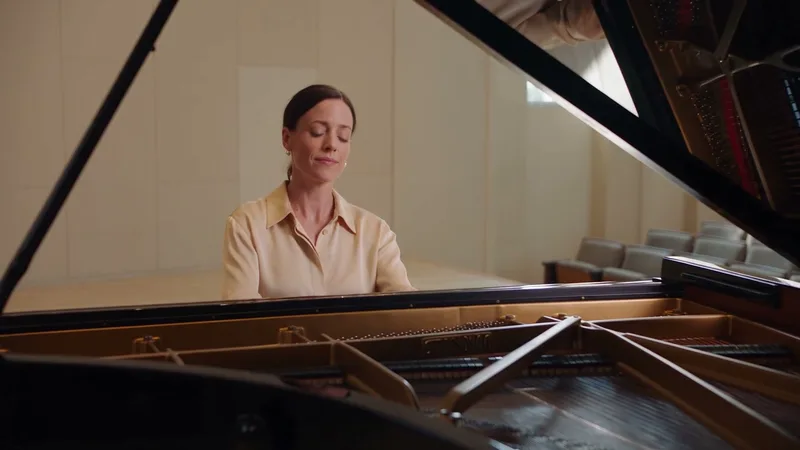
Slow zoom out
Плавный зум: отъезд
Camera: slow zoom out. Movement: Decrease the lens focal length from a fixed camera position and viewing direction in one continuous shot. Speed: Gradual, even focal-length change across most of the shot. Framing: Keep the zoom centered on the same visual anchor as the field of view widens; retain the same viewpoint and perspective relationships, with no translation-induced parallax. Make a clearly visible but moderate reduction of the visual anchor; fixed scene elements retain their mutual occlusions because the viewpoint does not move. End: Hold the wider composition at the final focal lengt
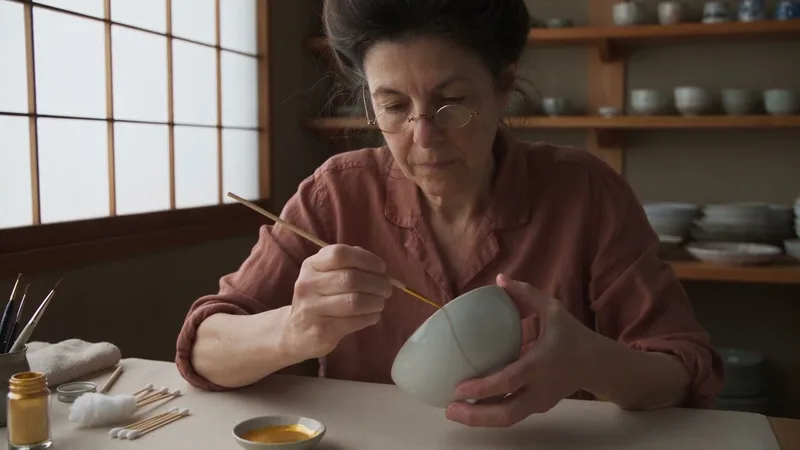
Slow zoom in
Плавный зум: наезд
Camera: slow zoom in. Movement: Increase the lens focal length from a fixed camera position and viewing direction in one continuous shot. Speed: Gradual, even focal-length change across most of the shot. Framing: Keep the zoom centered on the same visual anchor as the field of view narrows; retain the same viewpoint and perspective relationships, with no translation-induced parallax. Make a clearly visible but moderate enlargement of the visual anchor; fixed scene elements retain their mutual occlusions because the viewpoint does not move. End: Hold the tighter composition at the final focal l
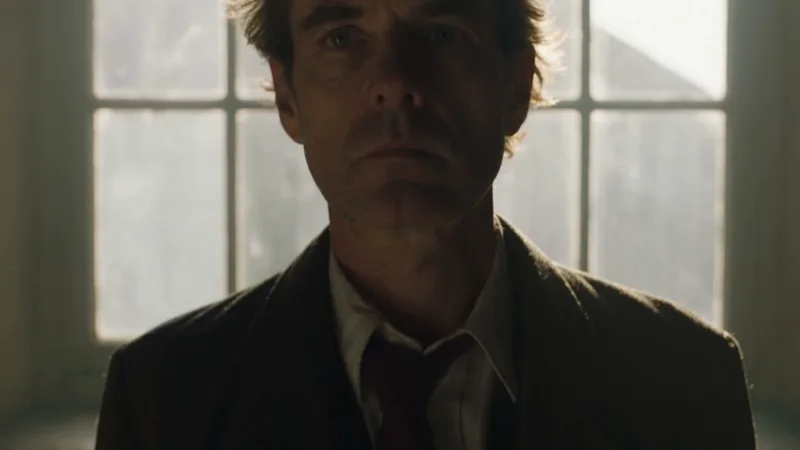
Tilt down
Наклон камеры вниз
Camera: tilt down. Movement: Pivot the camera downward from one fixed camera position in one continuous shot. Speed: Smooth, even tilt with a gentle stop. Framing: Keep camera position and focal length fixed; change only the vertical viewing angle, keeping lateral alignment and roll stable. Rotate about the camera’s horizontal axis only; keep its physical height unchanged and avoid rolling the frame. End: Stop on the lower part of the scene and briefly hold.
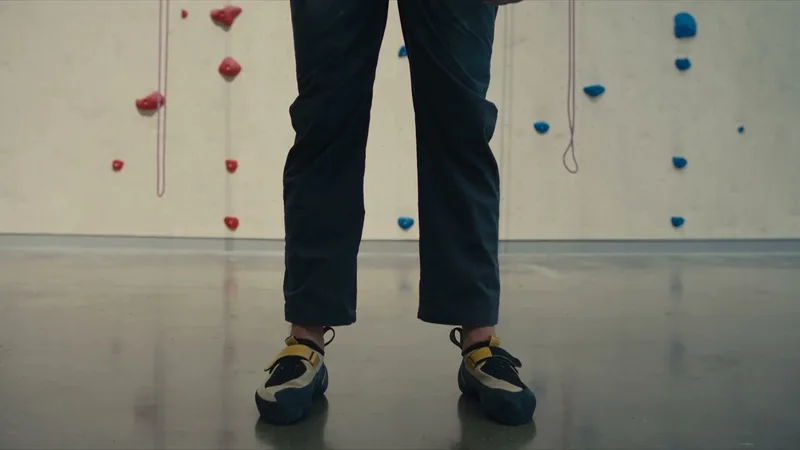
Tilt up
Наклон камеры вверх
Camera: tilt up. Movement: Pivot the camera upward from one fixed camera position in one continuous shot. Speed: Smooth, even tilt with a gentle stop. Framing: Keep camera position and focal length fixed; change only the vertical viewing angle, keeping lateral alignment and roll stable. Rotate about the camera’s horizontal axis only; keep its physical height unchanged and avoid rolling the frame. End: Stop on the upper part of the scene and briefly hold.
Не удалось загрузить.
Не удалось обновить.