12mm Ultra-Wide Look
12 мм — Экстремально широкий охват
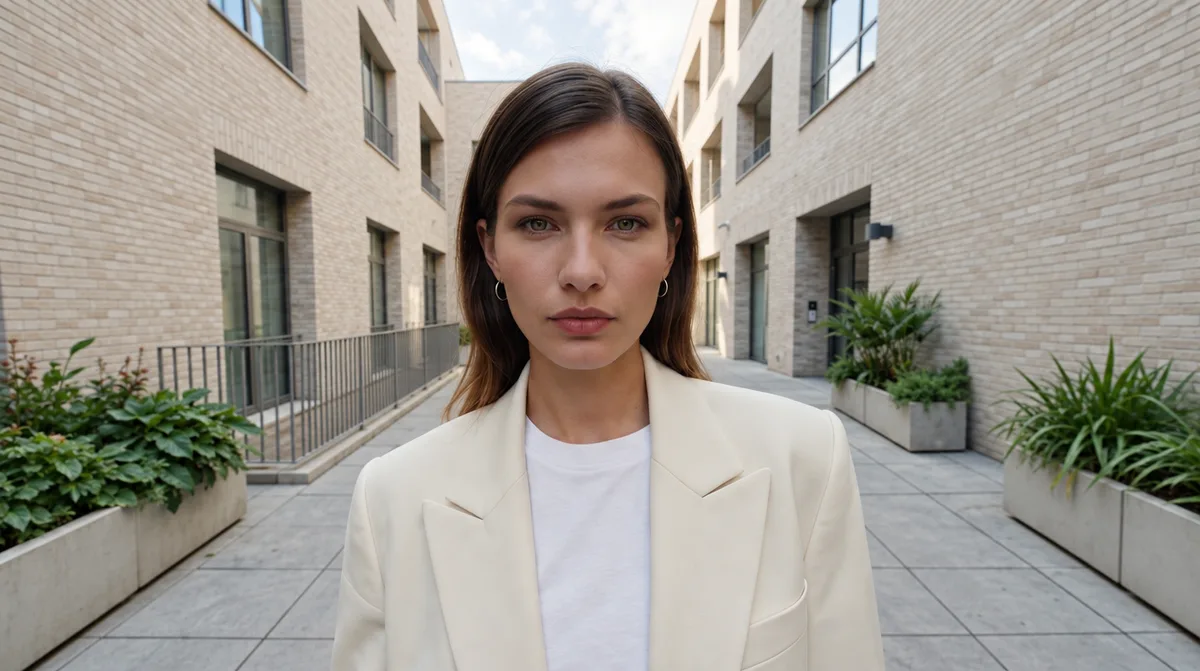
Экстремально широкий угол помогает создать выразительный портрет с подчёркнутой глубиной. При сохранении размера головы камера приближается к человеку: близкие части лица становятся заметнее относительно дальних, а удалённые детали фона выглядят мельче. Подходит для намеренно необычной перспективы.
Промпт
"Edit the reference image as a different lens-and-camera-distance view of the SAME frozen 3D scene.

CAMERA AND FRAMING
Use a 12 mm rectilinear lens on a full-frame camera. Keep the original aspect ratio, camera height, viewing direction and camera roll. Move the virtual camera only forward or backward along the viewing axis to maintain the original subject framing. For a person, match the reference's crown-to-chin size and head position, keeping the same approximate torso cutoff. Do not turn a waist-up portrait into a full-body shot. For other subjects, match the main object's framing. Keep the subject stationary in the scene.

PERSPECTIVE
Use the very close camera position required to preserve the framing with an ultra-wide lens. Emphasize near-to-far size differences: nearby facial surfaces become more prominent relative to the ears, while distant background landmarks become relatively small. Keep a rectilinear projection, not a fisheye effect.
Preserve the person's identity and underlying three-dimensional anatomy, expression, gaze, pose, hair, clothing and accessories. Allow the projected proportions of the SAME face to change naturally with camera distance, including the relative prominence of the nose, cheeks and ears. Do not beautify, anatomically reshape, uniformly widen or narrow the face, or paste the unchanged face onto a new perspective.

SCENE CONTINUITY
Preserve the existing objects, architecture, vegetation, materials and their world-space arrangement. Reproject the same scene: change only screen positions, apparent sizes and occlusions required by the new viewpoint and field of view. Existing landmarks may leave the frame; do not move them to keep them visible. Preserve recognizable window patterns, structural edges, plant groupings and surface details wherever visible and optically resolvable. Do not substitute a similar location or replace existing objects. Infer only areas newly revealed by the viewpoint.

FOCUS AND LIGHT
Use f/4 and focus on the eyes, or on the main subject if there is no person. Render optical defocus according to scene depth and the new camera distance, retaining the original objects beneath the blur. Do not apply a uniform background blur or invent bokeh lights. Keep the source lighting, exposure, white balance and color treatment. Produce one image without text."
Как использовать
1. Загрузите исходное изображение в редактор изображений с ИИ. Хорошо отрабатывает GPT Image последней версии
2. Вставьте промпт целиком: он задаёт 12 мм для полнокадровой камеры, f/4 и изменение дистанции ради сохранения крупности героя.
3. Сравните размер головы и положение героя. Проверьте узнаваемость лица, детали фона и естественность размытия.
4. Если модель заменила объекты или изменила лицо, повторите генерацию из исходника.
Результат - визуальная имитация; точность оптики не гарантируется.
Похожие приёмы
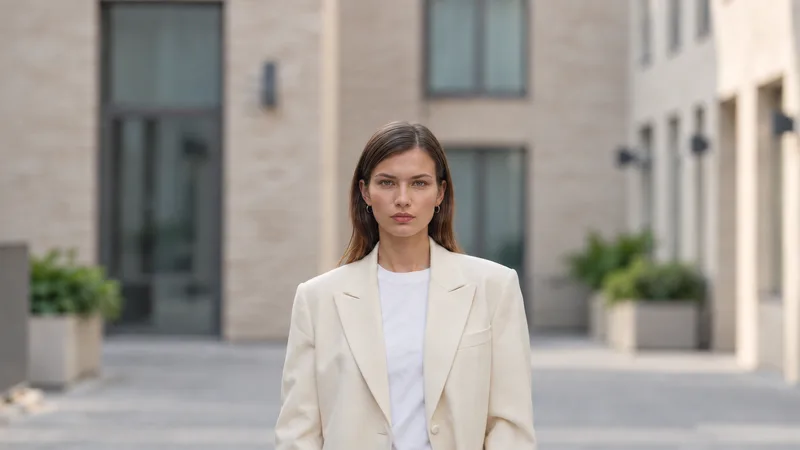
400mm Super-Telephoto Look
400 мм — Сверхдальний план
"Edit the reference image as a different lens-and-camera-distance view of the SAME frozen 3D scene. CAMERA AND FRAMING Use a 400 mm rectilinear lens on a full-frame camera. Keep the original aspect ratio, camera height, viewing direction and camera roll. Move the virtual camera only forward or backward along the viewing axis to maintain the original subject framing. For a person, match the reference's crown-to-chin size and head position, keeping the same approximate torso cutoff. Do not turn a waist-up portrait into a full-body shot. For other subjects, match the main object's framing. Keep t
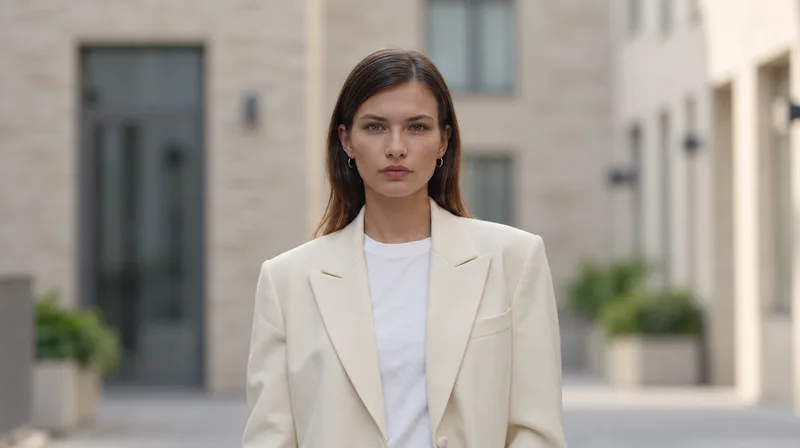
200mm Telephoto Look
200 мм — Дальний план
"Edit the reference image as a different lens-and-camera-distance view of the SAME frozen 3D scene. CAMERA AND FRAMING Use a 200 mm rectilinear lens on a full-frame camera. Keep the original aspect ratio, camera height, viewing direction and camera roll. Move the virtual camera only forward or backward along the viewing axis to maintain the original subject framing. For a person, match the reference's crown-to-chin size and head position, keeping the same approximate torso cutoff. Do not turn a waist-up portrait into a full-body shot. For other subjects, match the main object's framing. Keep t
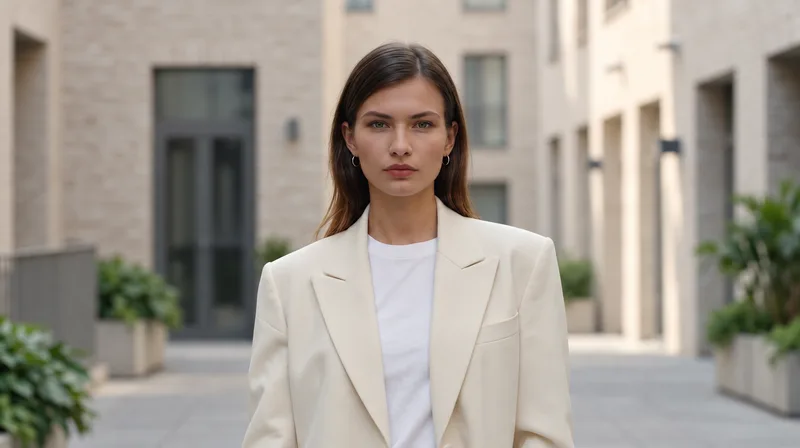
135mm Telephoto Look
135 мм — Плотный портрет и фон
"Edit the reference image as a different lens-and-camera-distance view of the SAME frozen 3D scene. CAMERA AND FRAMING Use a 135 mm rectilinear lens on a full-frame camera. Keep the original aspect ratio, camera height, viewing direction and camera roll. Move the virtual camera only forward or backward along the viewing axis to maintain the original subject framing. For a person, match the reference's crown-to-chin size and head position, keeping the same approximate torso cutoff. Do not turn a waist-up portrait into a full-body shot. For other subjects, match the main object's framing. Keep t