Organic Tech
Органические технологии

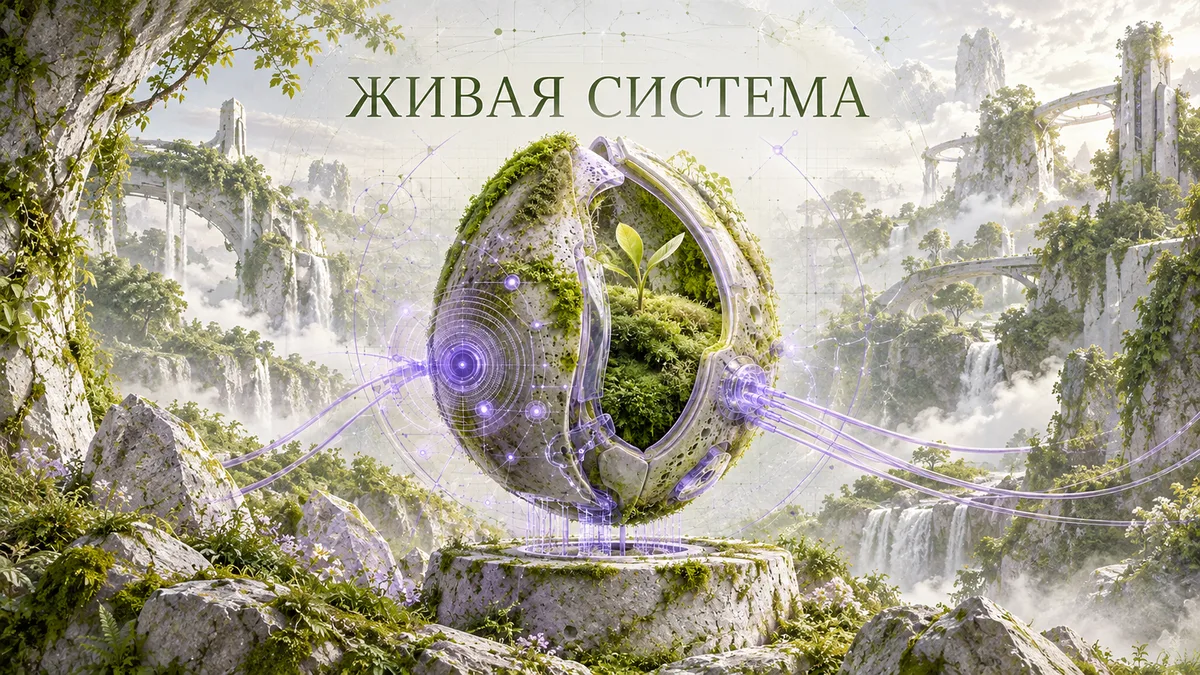
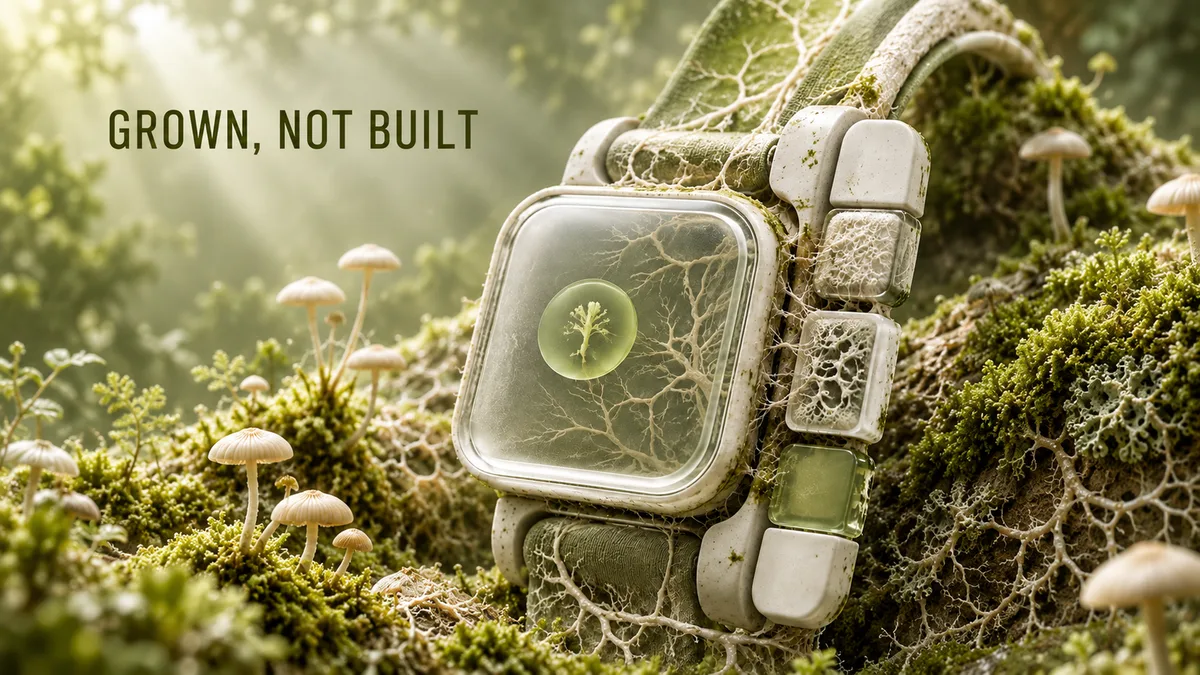
Спекулятивная биотехнологическая эстетика, где мох, клетки и грибные структуры становятся частью устройства или интерфейса. Клиническая композиция смягчается влажными живыми фактурами и минеральной палитрой. Подходит для футуристических продуктов, выставочных образов и научно-визуальных концептов.
Промпт
Create a [FORMAT] Organic Tech visual system for [SUBJECT], merging living biological matter with calm contemporary technology. Show [SUBJECT] as or alongside moss, leaves, fungal networks, cells, porous membranes, microscopic structures or soft grown materials, integrated with precise modular hardware or a minimal interface. Use pale mineral backgrounds, translucent layers, frosted glass, fine grid lines, scientific labels and small restrained sans-serif typography. Palette: chlorophyll green, moss, sage, bone white, cool grey and a subtle lavender or electric-blue biological accent. Lighting is diffused and clinical but gentle; macro details should feel tactile, humid and alive. Balance one striking organic specimen with generous negative space and carefully organized information. The result should resemble a speculative biotech identity or exhibition—not fantasy nature imagery. Optional exact heading: ""[TEXT]"".
Avoid: eco stock photography, leaves pasted onto gadgets, greenwashing clichés, toxic cyberpunk neon, medical gore, hard military tech, busy dashboard UI, illegible microtext, watermark.
Как использовать
1. Укажите объект или систему в [SUBJECT].
2. Сочетайте один выразительный органический материал с понятным технологическим модулем.
3. При необходимости добавьте короткий заголовок через [TEXT].
4. Проверьте, чтобы результат не выглядел как стоковая экология, медицинский хоррор или перегруженный интерфейс.
Похожие приёмы

Paper Cutout
Бумажные вырезки
Compose the subject as a lively paper-cutout poster. Cut people, objects, or scene elements into distinct photographic or illustrated pieces with visibly uneven white paper borders, slight edge curl, and small realistic cast shadows that separate each layer from a saturated red or warm-colored backing sheet. Vary scale and tilt to create a playful editorial arrangement, but keep one largest hero subject and a readable 16:9 flow. Add one or two supporting cutouts and a few simple graphic arrows or strips rather than filling every gap. If a headline is requested, use a short exact phrase in bold

Pop Art
Поп-арт
Convert the subject into a punchy comic-book pop-art image. Build the composition around a central starburst or explosive speech-bubble form, with thick black outlines, dramatic radial speed lines, and Ben-Day halftone dots. Use a limited but loud palette of sunshine yellow, hot magenta, bright cyan, black, and white. Simplify the subject into bold, high-contrast graphic shapes while preserving its recognizable form. Make the scene feel energetic, witty, and screen-printed, with slight ink texture and visible dot patterns. If text is requested, place a short exact word inside the central burst
Victorian Style
Викторианский стиль
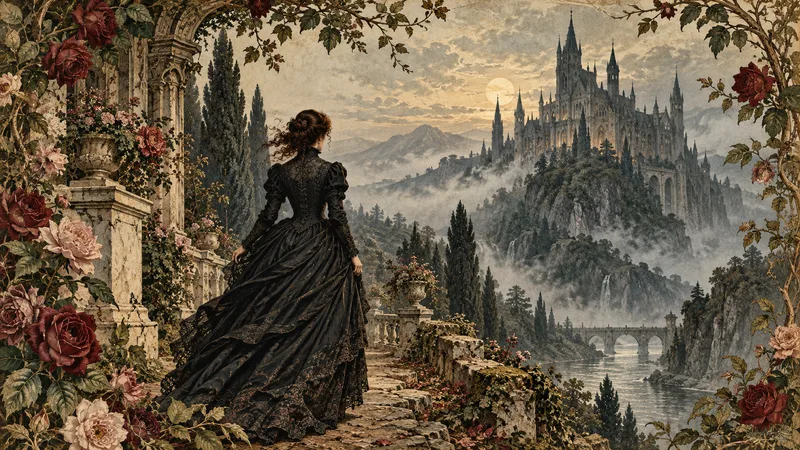
Interpret the subject through a romantic Victorian illustrated-print aesthetic. Frame the main scene with lush botanical details, flowers, curling stems, ornate foliage, and delicate decorative flourishes. Where appropriate, include Gothic Revival architecture, aged stone, misty distance, or a formal garden setting. Use muted parchment, antique gold, dusty rose, deep burgundy, moss green, and smoky blue-gray. Render with fine engraved or painterly detail, soft atmospheric depth, and the texture of an old illustrated book or lithograph. Keep the subject prominent within a carefully balanced orn