Datamosh
Датамош
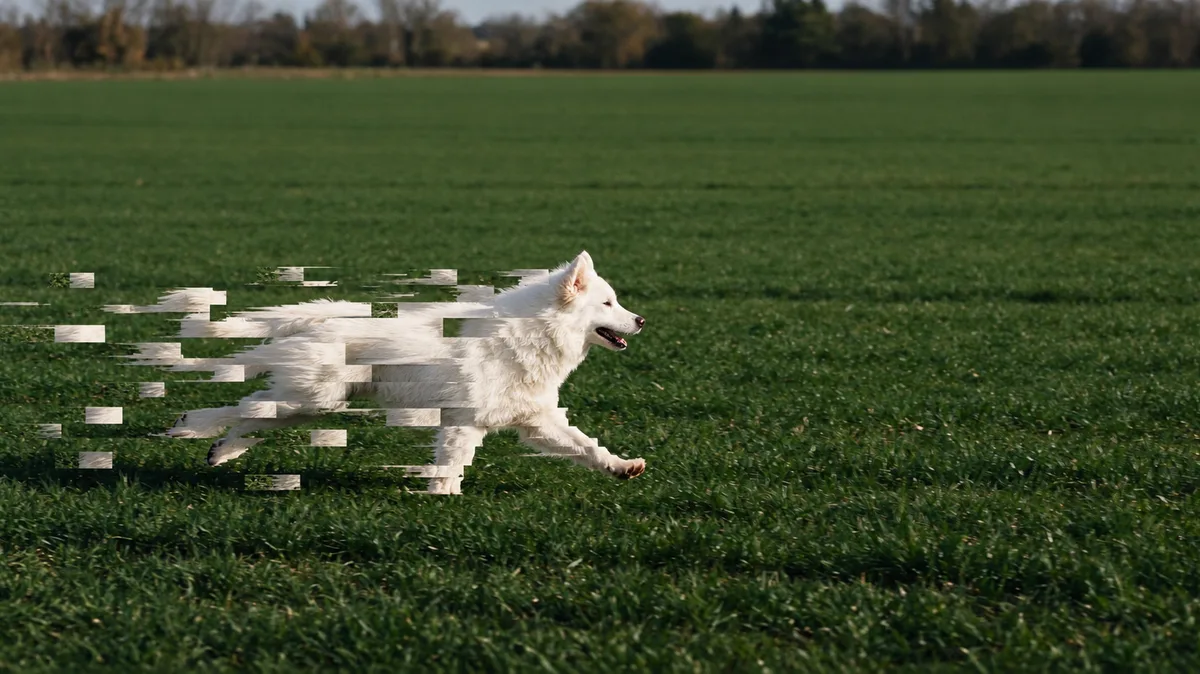
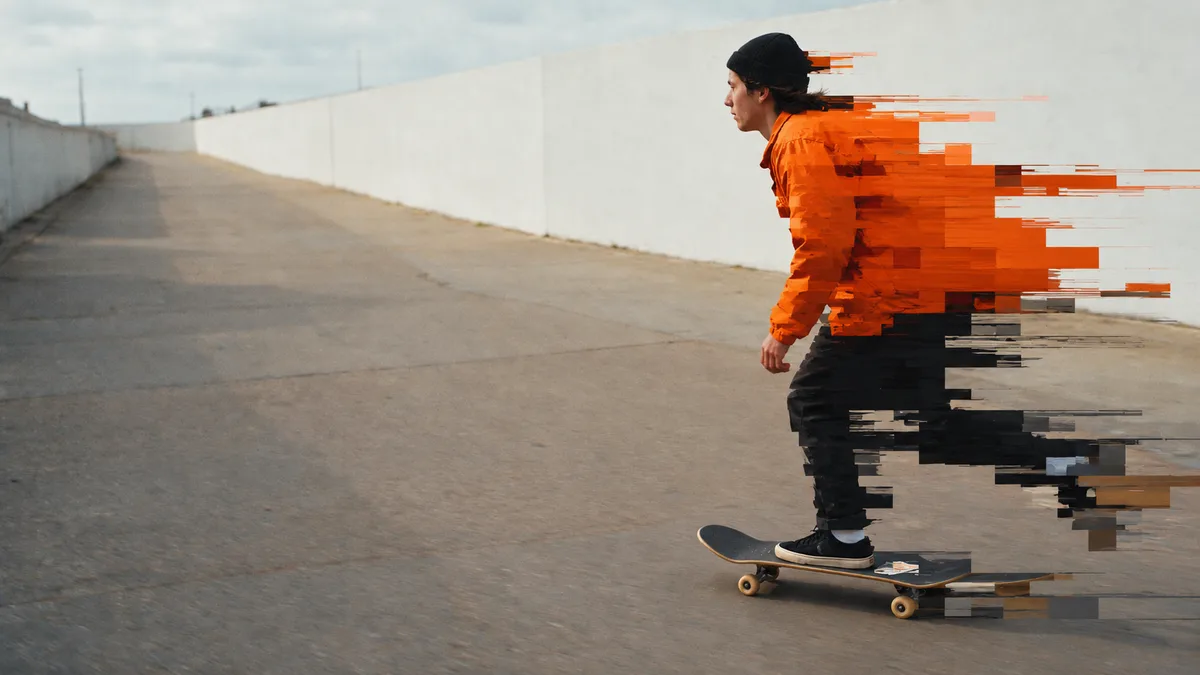
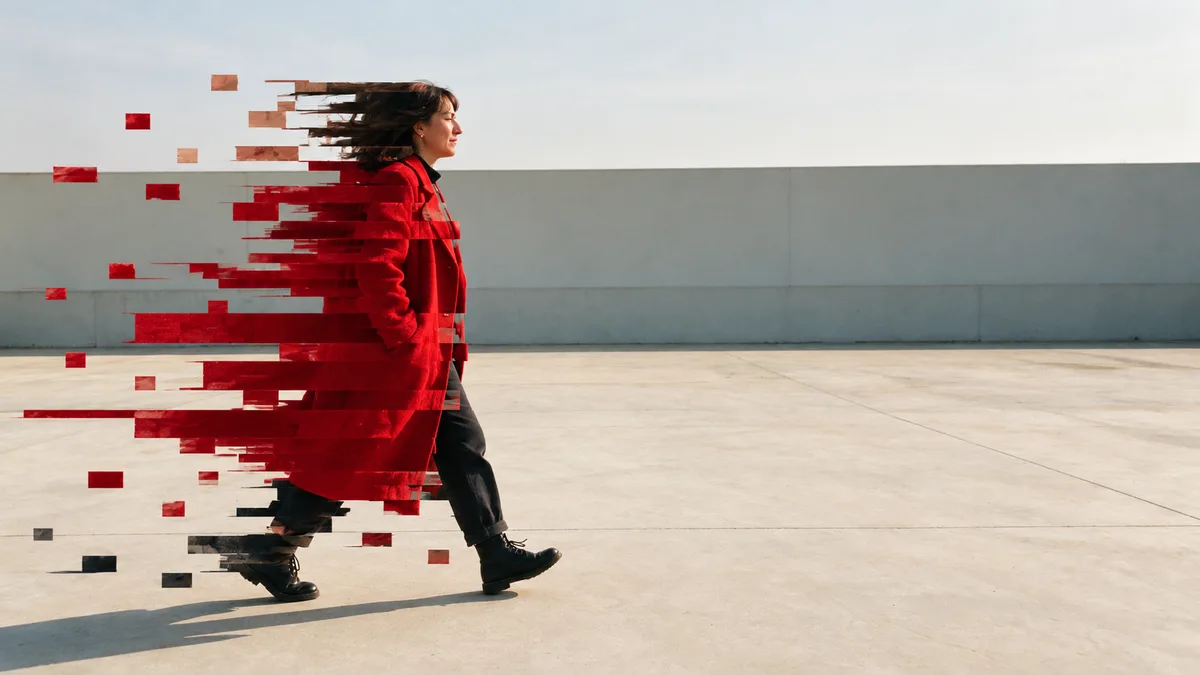
Эффект повреждённого видеокадра: части объекта распадаются на квадратные блоки и вытягиваются прямыми горизонтальными следами. Часть исходной фотографии остаётся совершенно чистой, поэтому сбой выглядит убедительно.
Промпт
Rebuild the uploaded image as a single datamoshed video frame: the frame right after the codec lost its keyframe and kept only the motion vectors.

THE CORE CONCEPT, read this first:
This is COMPRESSION DAMAGE, not blur and not a glitch filter. The picture breaks into square macroblocks, and pixels from the subject are copied, dragged and repeated along the direction of motion, so fragments of the subject leak out past its own outline into the space around it. Every trail is a straight line of duplicated blocks with hard stepped edges. It is not motion blur, not a soft smear, not a painterly streak, not an RGB split and not an evenly applied overlay: it is real content from the image, cloned block by block and displaced.

THE STRUCTURE:
The damage is concentrated in one connected region centred on the main subject and spreads out from it in one dominant direction, in most cases horizontally (to the left, to the right, or both). Blocks are square, 8 to 16 pixels each at native resolution, and their boundaries stay visible as a stepped grid wherever damage meets clean image. Trails are between 30 and 300 pixels long, run perfectly straight, end abruptly on a block edge and never fade out. Some blocks freeze and float as isolated square tiles in the clean area, up to 20 percent of the frame width away from the subject. Other blocks sit in the wrong place inside the subject: a piece of its edge repeated where its middle should be, a patch of background caught inside its outline.

THE CLEAN PART:
At least 40 percent of the frame, ideally more, stays completely intact: sharp, correctly coloured, correctly exposed, with zero overlay, zero grain, zero tint and zero glitch. The sky, the ground, the wall, the water, whatever surrounds the subject, must look like the untouched original so the damage has something clean to contrast against.

THE COLOUR:
The trails carry the subject's own colours: a red garment drags red, a white animal drags white, foliage drags green, fire drags orange. Inside the most damaged blocks the colour may decouple from the brightness and produce flat patches of pale green, magenta or cyan that were not in the original, but this covers at most 10 percent of the damaged area. No global colour cast and no tint over the frame.

WHAT SURVIVES:
Keep the original composition, framing, crop, subject, pose and camera angle exactly. Roughly half of the subject is still readable as itself, so the eye can say at once what the picture was of. The result is the same picture, damaged, never an abstract texture.

NEGATIVE CONSTRAINTS:
No gaussian blur, no motion blur, no soft edges anywhere in the trails. No glitch applied evenly over the whole frame. No RGB channel splitting into three offset copies. No scanlines, no VHS tracking bands, no CRT curvature, no analogue noise, no film grain, no vignette. No diagonal or curved trails, they run in straight lines. No new objects, no collage, no stickers, no torn paper. No text, no timecode, no interface elements, no logos, no watermark. Do not change the crop, do not zoom in, do not add a border.

The final result must look like a real video frame captured at the exact moment the codec broke, with the subject smearing out of itself into an otherwise perfect picture.
Как использовать
Загрузите своё фото с чётким главным объектом и свободным фоном. Примените промпт к загруженному изображению.
Если нейросеть добавила размытие или глитч по всему кадру, используйте команду исправления.
Only fix the structure: make every trail a straight run of duplicated square blocks with hard stepped edges, remove all blur and softness, and leave the clean part of the picture completely untouched. Keep the composition, colours and crop identical.
---
Похожие приёмы
Glitch
Глитч
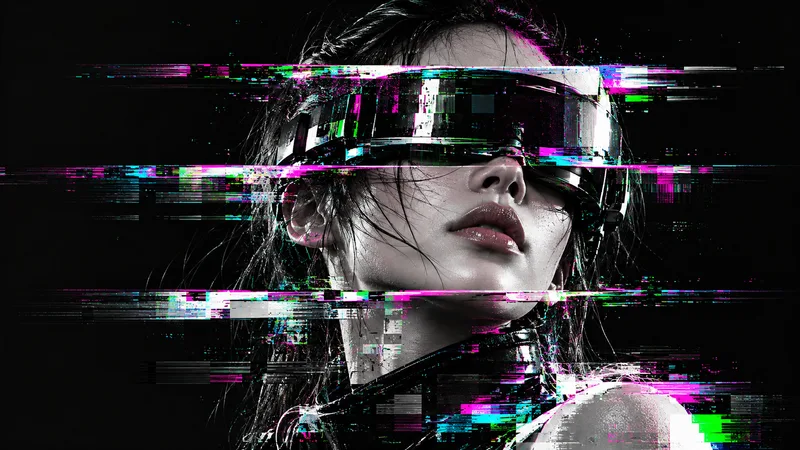
Distort the subject with a controlled digital glitch treatment. Keep a strong black or near-black base, one clear hero image or short bold headline, and introduce localized horizontal signal tears, RGB channel offsets, pixel-sorting streaks, corrupted scanlines, compression blocks, and displaced image slices. Place interference mainly around the subject's edges or in selected bands so its identity remains legible. Use white typography with small magenta, cyan, and electric-green artifacts if exact text is requested. Let a few fragmented interface windows or error-like rectangles add context wi
Psychedelic
Психоделика
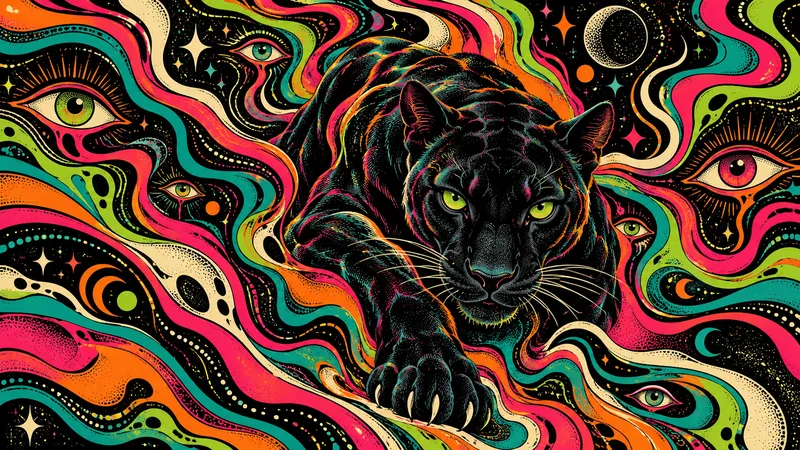
Translate the subject into a dense psychedelic graphic artwork. Let sinuous, liquid-like bands ripple through the 16:9 frame in hot magenta, acid orange, electric green, turquoise, cream, and deep black. Add intricate dotted trails, small celestial marks, and a limited number of stylized eyes or organic motifs where they support the subject. Use rhythmic repetition, warped contours, and surprising color adjacency to suggest hallucinatory motion while keeping the central subject recognizable and a clear visual path through the image. The pattern should feel hand-inked or screen-printed, with fi
Retro
Ретро
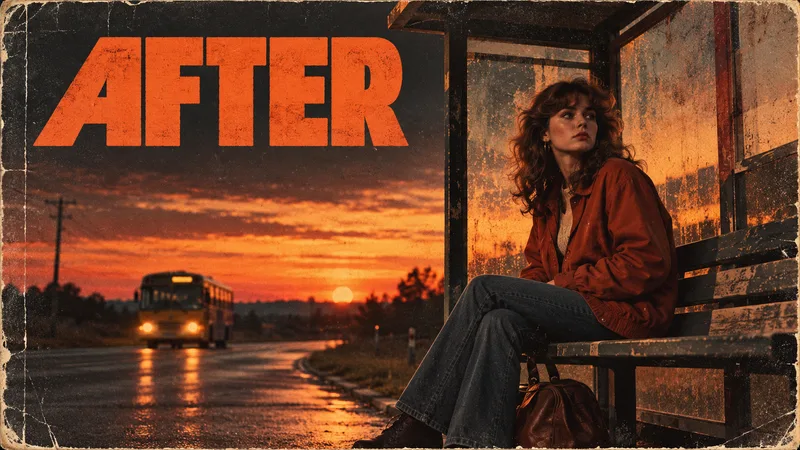
Style the subject as a late-1970s to 1990s analog print advertisement or music poster. Use a charcoal or faded-black background, burnt-orange and warm-cream typography or graphic blocks, and a central era-appropriate object treatment such as a photographed cassette, printed photo, or vintage product cutout when it fits the subject. Add subtle film grain, faded inks, imperfect registration, soft wear, paper fibers, and slightly aged contrast. Give the layout a bold top anchor, one clearly framed central subject, and a strong lower visual weight. Typography, if requested, should evoke old displa