Through-Glass View
Через стекло
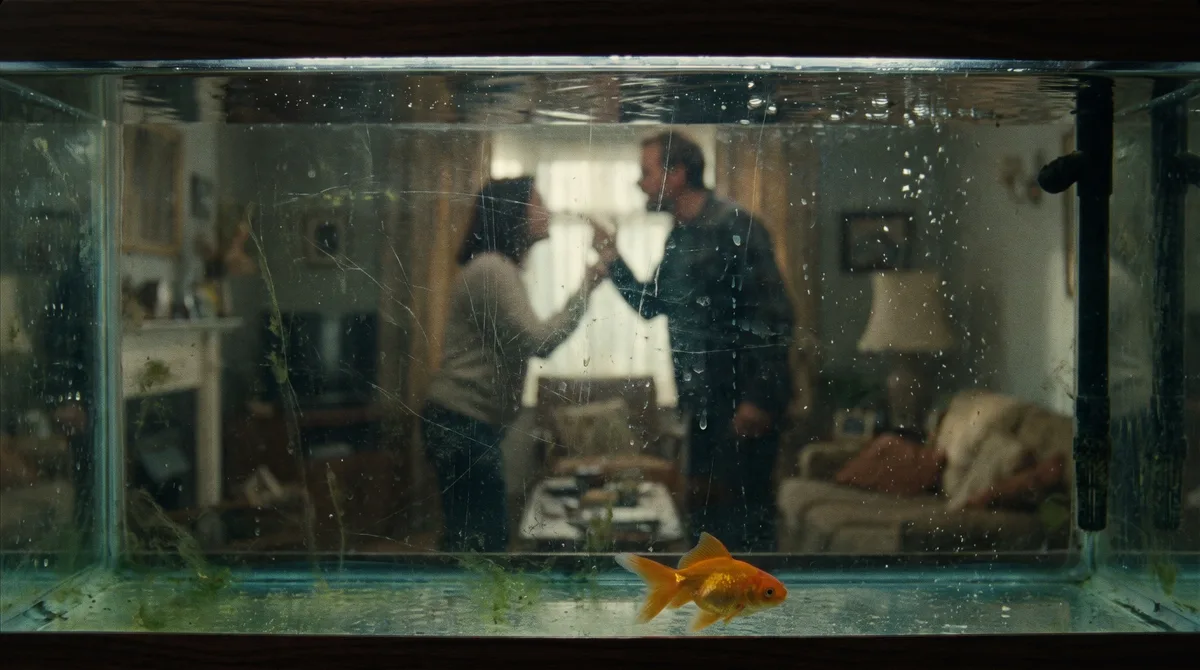
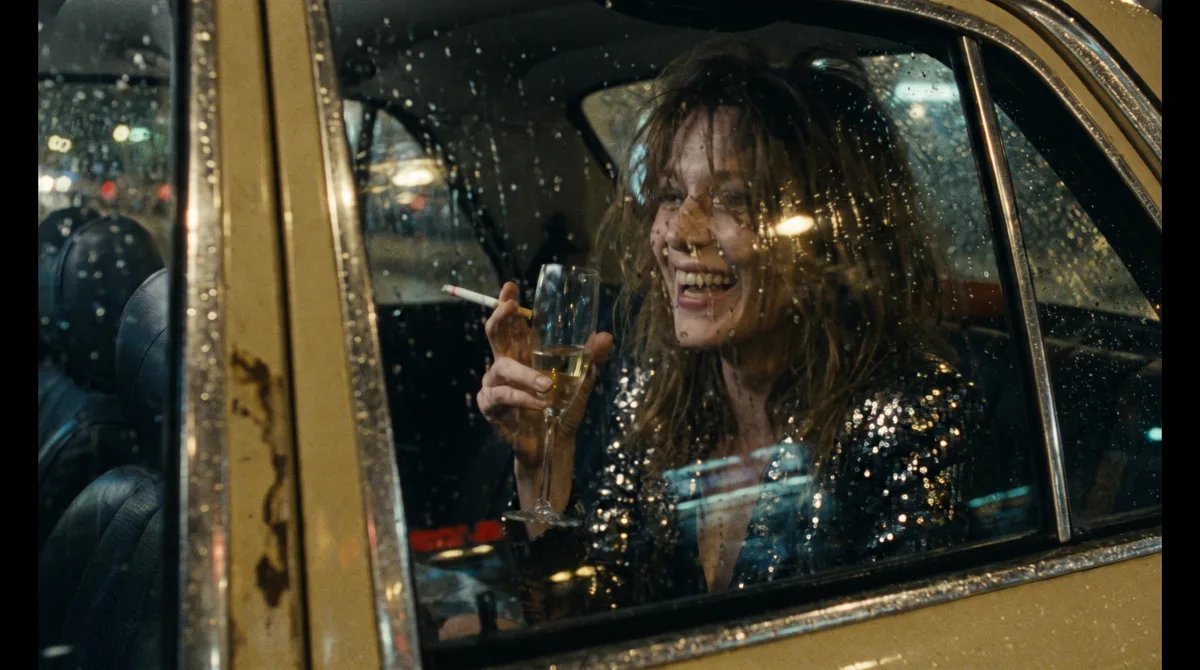
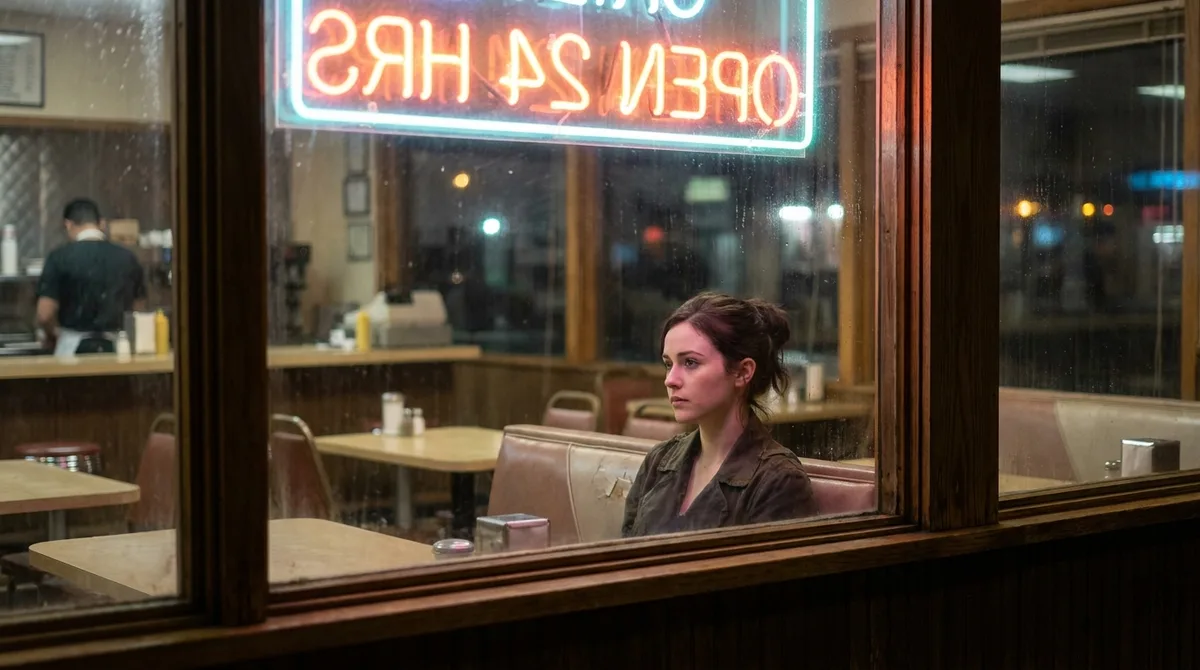
Камера смотрит на героя через окно или витрину. Стекло добавляет слой пространства и лёгкие отражения.
Промпт
Create one image of [SCENE]. Place the camera on the opposite side of the existing glass from the main subject, looking through the pane. Keep the subject clearly readable beyond the glass, with subtle surface reflections and a visible frame or edge that establishes the barrier between camera and subject.
Как использовать
Промпт для генерации изображения с нуля. Добавьте его в свой основной промпт, он отвечает за ракурс.
Похожие приёмы
Through-an-Opening View
Через узкий просвет
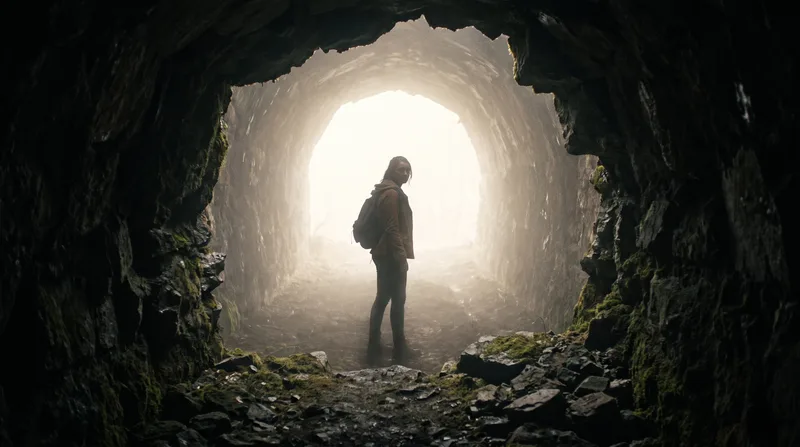
Create one image of [SCENE]. Place the camera close behind the opening described in the scene, looking through it toward the main subject. Use the nearby edges as a partial foreground frame while leaving the important subject details visible in the opening. Keep the viewpoint physically consistent with the size and position of the gap.
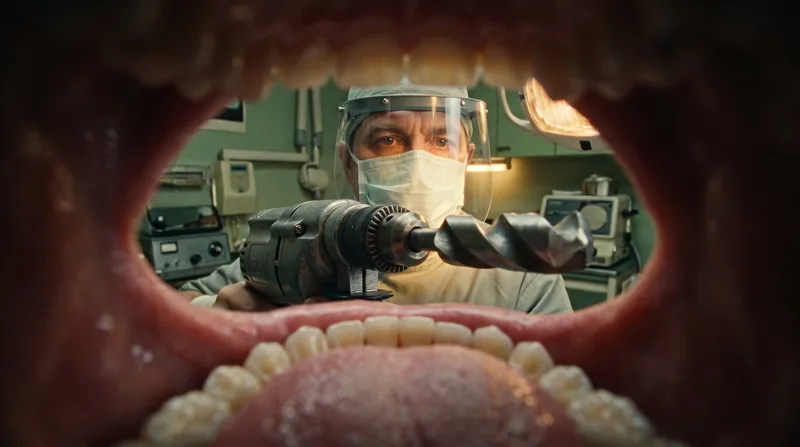
Inside-the-Object View
Изнутри предмета
Create one image of [SCENE]. Place the camera inside the open container described in the scene, looking outward through its opening toward the main subject. Include a restrained amount of the container's inner edges around the foreground so the interior viewpoint is clear. Keep the subject beyond the opening unobstructed.

Split-Level Waterline View
На границе воды
Create one image of [SCENE]. Position the camera at the waterline so a single continuous image shows both the world above the surface and the underwater space. Let a natural water boundary cross the frame. Align the above-water and submerged parts of the subject coherently, allowing realistic refraction at the surface.