Библиотека AI-креатора
Ракурсы, движения камеры, переходы и стили — в готовых промптах с наглядными примерами. Бесплатно для всех креаторов.
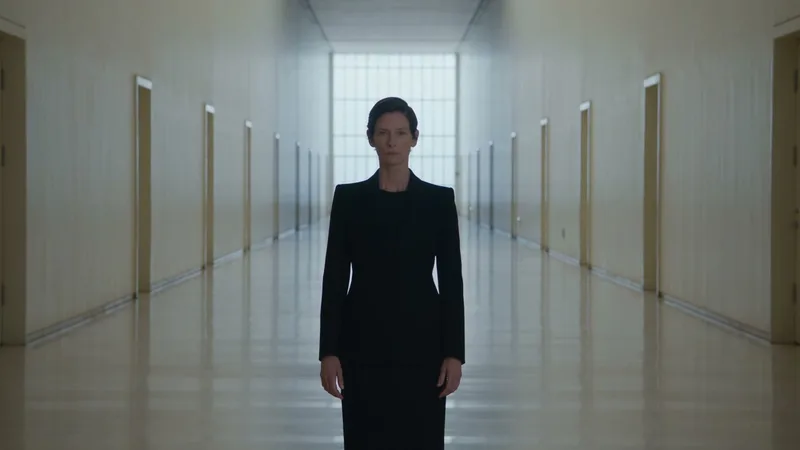
Dolly zoom in
Долли-зум с приближением
Camera: dolly zoom in. Movement: Move the camera physically forward while simultaneously decreasing lens focal length in one continuous shot. Speed: Synchronize the approach and zoom smoothly. Framing: Keep the main subject at approximately constant screen size and position; the background becomes smaller relative to it as the viewpoint approaches and depth appears exaggerated. Synchronize both changes continuously so the subject’s screen size stays nearly unchanged at intermediate moments, not just in the first and last frames. End: Stop the forward travel and focal-length change together, th
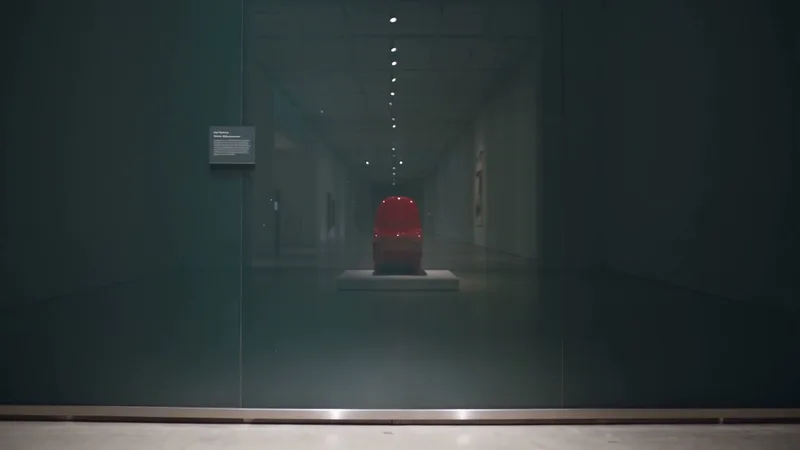
Pass-through objects
Пролёт сквозь преграду
Camera: pass-through objects. Movement: Move the virtual camera forward through the visible foreground surface into the space beyond it in one seamless shot. Speed: Smooth forward travel at a controlled pace. Framing: Keep the crossing point aligned with the optical axis and maintain focal length; let the surface fill and pass beyond the field of view as the far side becomes visible. Show a definite crossing: the near surface approaches, passes through the viewpoint, and is left behind as the camera continues into the far-side space. End: Finish clearly beyond the crossed surface, looking into
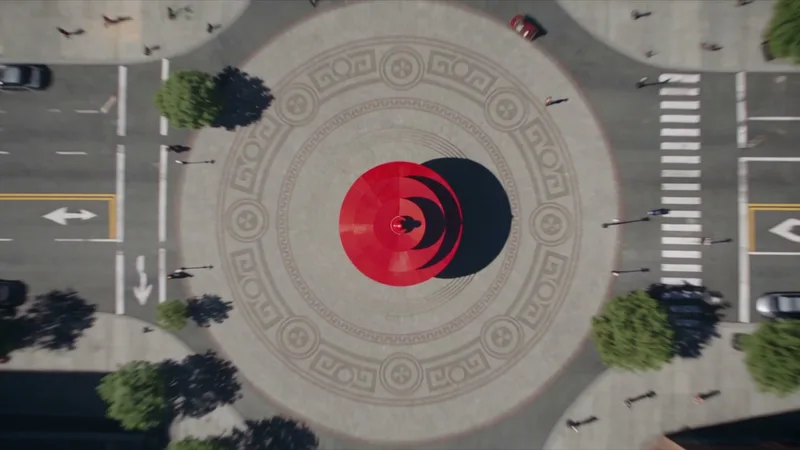
Earth zoom out
Отдаление до планеты
Camera: earth zoom out. Movement: Pull vertically away from the starting location, expanding from local scale through city and landscape scale to an orbital view in one seamless shot. Speed: Continuously accelerating retreat, easing near the final scale. Framing: Keep the starting location on the same central viewing axis and maintain a consistent outward direction as progressively larger geography becomes visible. Preserve an outward path through nested scales; the original region becomes progressively smaller instead of jumping abruptly from a local view to space. End: Settle on a wide view
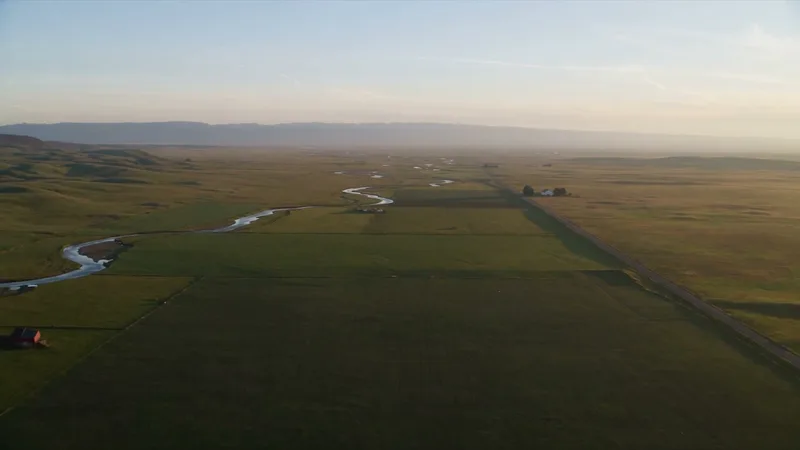
Helicopter shot
Общий пролёт с высоты
Camera: helicopter shot. Movement: Travel at high altitude along a broad, gently curving aerial path in one continuous shot. Speed: Steady forward flight with gradual directional changes. Framing: Maintain approximately constant altitude and focal length, a level horizon and a wide landscape view; let near terrain shift faster than distant terrain. Use a wide, unhurried flight path with stable roll; let the landscape change progressively without diving toward individual details. End: Continue the same smooth high-altitude flight through the final frame.
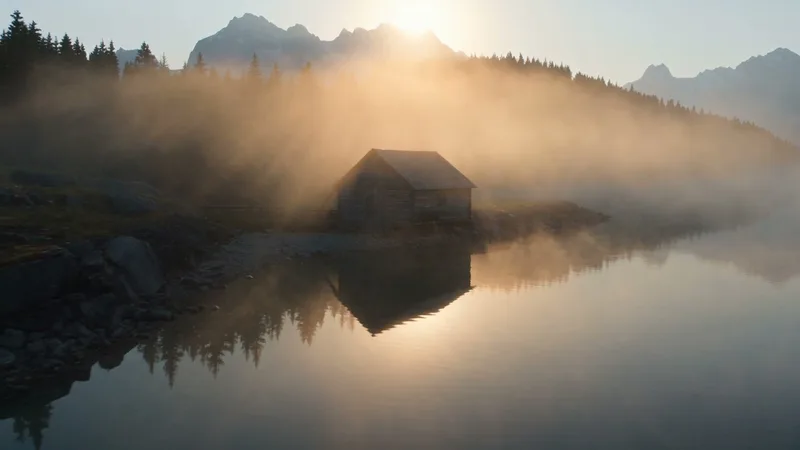
Drone pull back
Отлёт дроном
Camera: drone pull back. Movement: Fly the camera backward away from the main visual anchor along a clear aerial path in one continuous shot. Speed: Steady, controlled retreat. Framing: Maintain constant altitude, viewing direction and focal length; the anchor becomes smaller while more surrounding landscape enters the frame. Keep the retreat straight and at the initial altitude; expand the visible surroundings through increasing distance rather than switching to a new aerial view. End: Ease to a stop on the wider aerial composition.
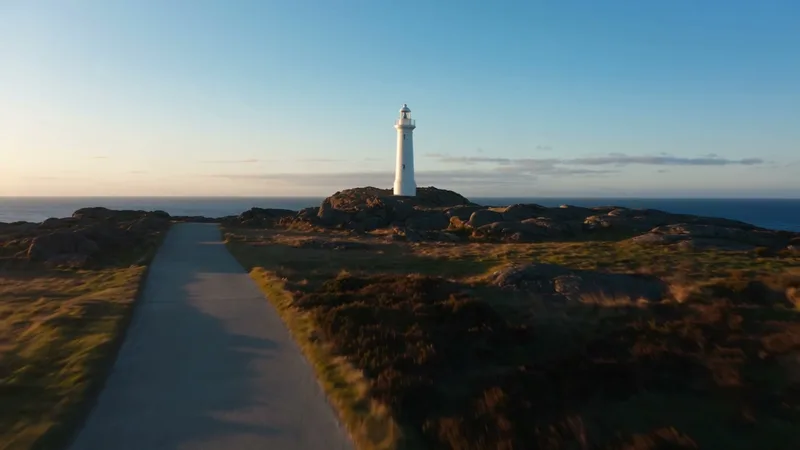
Drone push in
Подлёт дроном
Camera: drone push in. Movement: Fly the camera forward toward the main visual anchor along a clear aerial path in one continuous shot. Speed: Steady, controlled approach with a gentle finish. Framing: Maintain constant altitude, viewing direction and focal length; the anchor grows larger as nearby terrain passes faster than distant terrain. Keep a straight approach at the initial altitude; demonstrate forward translation with terrain parallax instead of enlarging the whole image uniformly. End: Ease to a stop at the closer aerial viewpoint.
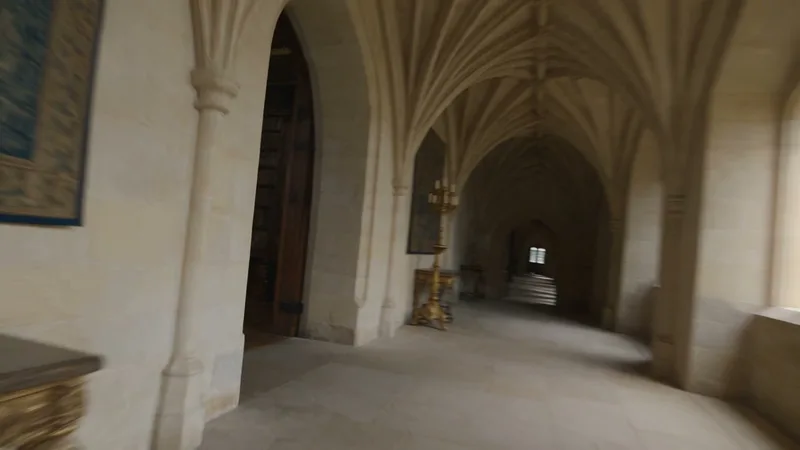
Fly-through opening
Пролёт через открытый проём
Camera: fly-through opening. Movement: Fly forward through the center of an existing clear opening and continue into the space beyond in one continuous shot. Speed: Steady forward glide with a gentle finish. Framing: Keep focal length and roll fixed; clear the opening without intersecting its solid edges, which pass outward and behind the camera with natural parallax. Keep the route inside the visible opening’s boundaries until the whole frame has cleared them; continue forward on the far side to make the passage unmistakable. End: Finish beyond the opening with the new space clearly visible.
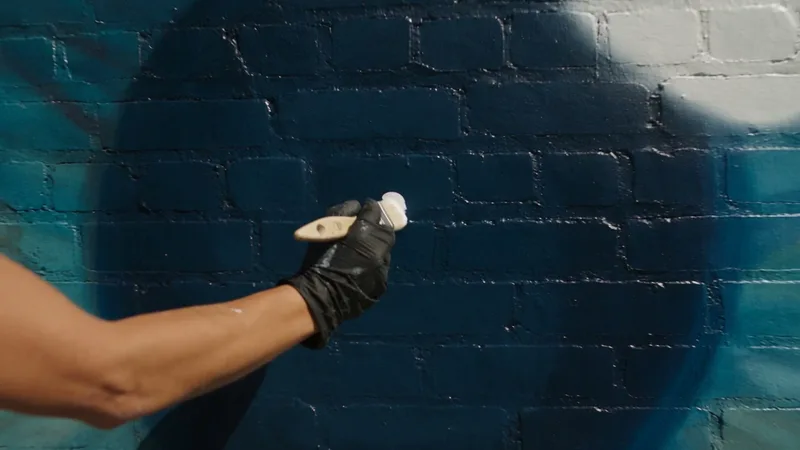
Pull-back reveal
Раскрытие пространства отъездом
Camera: pull-back reveal. Movement: Move the camera physically backward from the initial close framing in one continuous shot. Speed: Smooth retreat, easing at the end. Framing: Maintain focal length, height and viewing direction; reveal the wider context through the changing camera distance and natural parallax. Reveal context through a progressive change in depth and occlusion; keep the original close detail identifiable as it becomes part of the wider scene. End: Hold a wider composition that clearly includes the initial visual anchor.
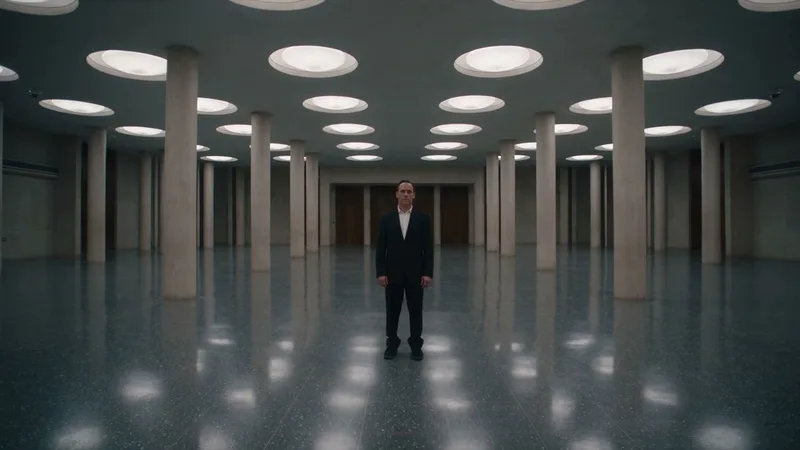
Camera roll
Поворот вокруг оси объектива
Camera: camera roll. Movement: Rotate the camera clockwise about its optical axis by approximately 20 degrees in one continuous shot. Speed: Slow, even rotation with a gentle stop. Framing: Keep camera position, focal length and optical-axis direction fixed; the whole view rotates around the frame center while the horizon tilts. Rotate the full image around a stable center, with straight scene edges turning together rather than bending or shifting independently. End: Hold the tilted final composition.
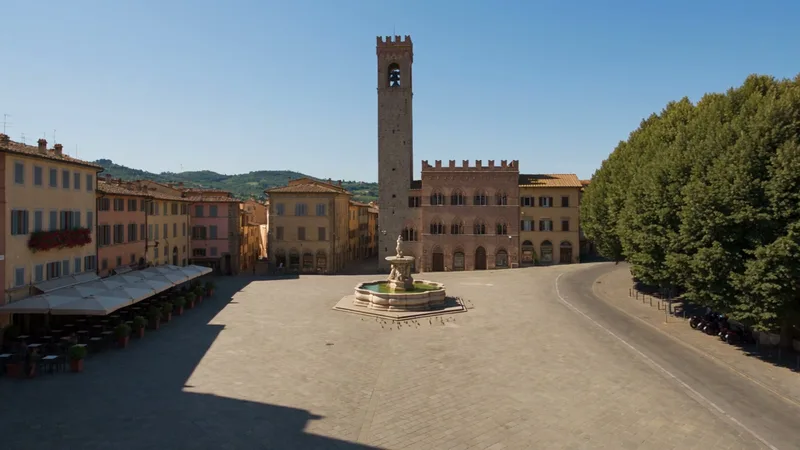
Time-lapse
Таймлапс
Camera: time-lapse. Movement: Lock the camera in one position while compressing the passage of time within a single continuous view. Speed: Rapid time progression with a completely stationary camera. Framing: Maintain fixed camera height, orientation, focal length and composition; stationary landmarks remain aligned while temporal changes accumulate within the frame. Keep static building edges and the horizon registered throughout; show elapsed time within the same location instead of blending between changing layouts. End: Finish from exactly the same camera viewpoint at a later moment.
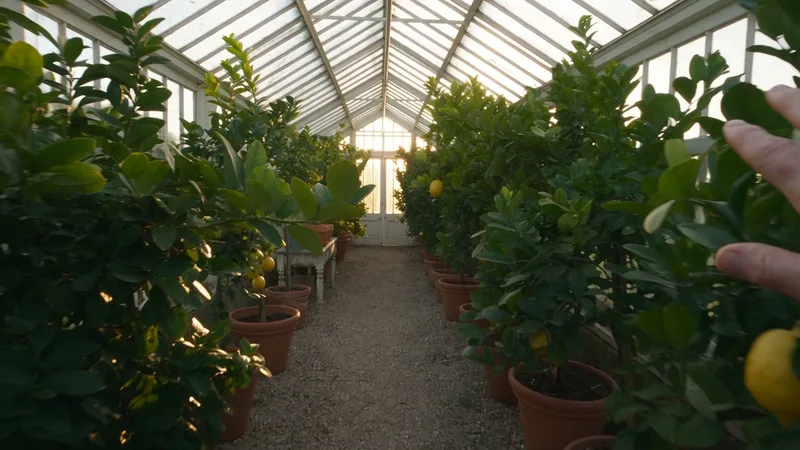
First-person view
Движение от первого лица
Camera: first-person view. Movement: Move the camera along the main character’s route from their eye position in one continuous shot. Speed: Match the character’s movement with restrained natural head sway. Framing: Maintain a consistent eye-height perspective and focal length; any already-visible body edges remain positioned consistently relative to the viewpoint. Keep the viewpoint attached to the same eye position throughout; retain first-person framing rather than revealing an external view of the character. End: Finish from the same first-person viewpoint.
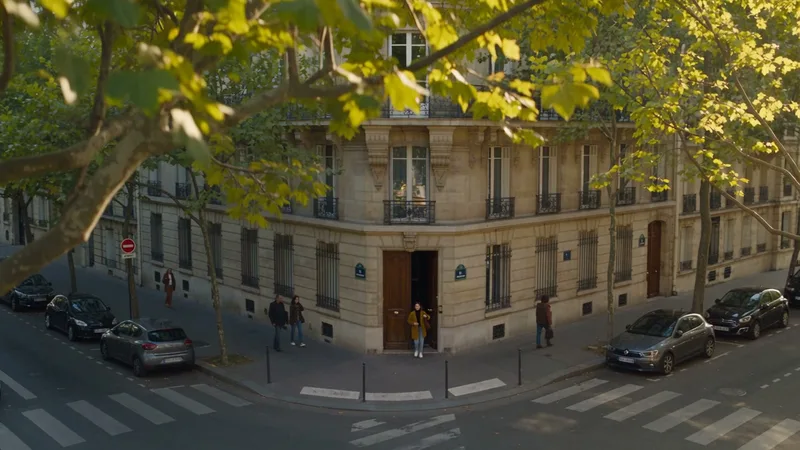
Crane down
Кран вниз
Camera: crane down. Movement: Move the entire camera smoothly downward through open space on a crane-style path in one continuous shot. Speed: Slow, controlled descent with a gentle finish. Framing: Maintain a fixed focal length and a level horizon; adjust the vertical viewing angle only as needed to keep the main subject readable as the camera changes height. Make the physical height change clearly visible through shifting foreground overlaps; use only a small compensating tilt to retain the visual anchor. End: Settle at the lower viewpoint and briefly hold.
Не удалось загрузить.
Не удалось обновить.